人工智能辅助决策和业务优化
发表时间: 2025-06-29 13:09:07 人气:979 次
人工智能真正开始颠覆世界,不是在它战胜围棋冠军的时候,而是在它默默地潜入会议室、后台报表、客服系统,甚至老板的日常决策里。真正聪明的AI不是那种能表演特技的机器人,而是悄无声息地帮你省下十万美元的库存管理费,或者提前两个月预测到季度营收的异常波动——让你看起来像个未卜先知。
Artificial intelligence didn’t really start changing the world when it beat a Go champion. It started when it quietly slipped into boardrooms, back-end reports, customer support systems, and—yes—even into your boss’s daily decision-making. The smartest AI isn’t the flashy robot that dances; it’s the invisible analyst that saves you a hundred grand in inventory costs or predicts a revenue anomaly two months in advance—making you look like a prophet.
很多人把“AI辅助决策”想得太高深,好像是只有硅谷大神和投资银行才用得上的高科技。其实说白了,它就像你的第二大脑,全天候待命,帮你筛选、归纳、预测、提醒。比如电商平台的动态定价系统,背后就是一个AI大脑在不停模拟:哪个价格点能让你卖得多,还不亏本。它不需要情绪,不跟你吵架,不喝咖啡,不摸鱼——却能精准洞察市场波动。
A lot of people overcomplicate “AI-assisted decision-making” as if it’s some high priest technology reserved for Silicon Valley demigods and investment bankers. But honestly, it’s just your second brain—on-call 24/7—sorting, summarizing, forecasting, and nudging. That dynamic pricing system behind your favorite online store? That’s an AI engine quietly simulating which price moves more units without killing your margin. It doesn’t complain. It doesn’t drink coffee. It doesn’t get distracted. But it knows market signals better than your entire sales team.
你也许不自觉已经在依赖AI做决定了。今天订的Uber是哪辆车、用哪条路线、价格为什么这么跳动,背后都是AI算法的功劳。而在业务层面,它甚至可以帮你设计销售漏斗,优化广告投放,自动分配客服资源,让你的人手用在刀刃上——就像把每一分钱都派去最前线打仗。
Chances are, you already rely on AI for decisions without realizing it. That Uber you just booked—why that car, that route, that price? Thank an algorithm. On the business front, it can design your sales funnel, optimize your ad spend, and allocate support resources so your human team isn’t running around like headless chickens. Every dollar becomes a soldier on the front line, fighting where it matters most.
但也别以为AI能包办一切。它再聪明,也无法给出你不愿面对的问题的答案。它可以告诉你“这个广告点击率低”,但不能替你解释“因为文案写得像高中作文”。它能分析数据,却不能理解“人情味”或者“直觉”。所以最有效的商业优化,不是用AI替代人类,而是让它成为一个训练有素、不会疲劳的助手——你来问问题,它来找证据。
Don’t expect AI to do your soul-searching for you, though. It’s smart, but not wise. It can tell you your ad has a dismal click-through rate, but it won’t tell you the copy reads like a high school essay. It can crunch data, but it can’t feel the warmth of your brand. So the best business optimization strategy? Don’t replace people. Use AI as your tireless, trained assistant—someone you bounce ideas off, not someone who runs the company while you nap.
更深一层的智慧是:AI并不是让你“省思考”,而是让你把思考留在更值得的地方。人脑是稀缺资源,应该花在决策的“方向”和“判断”上,而不是在Excel表格里游泳。有AI在身边,你可以用更多时间和团队谈愿景、和客户聊痛点、和自己对话价值观。
Here’s the real wisdom: AI doesn’t exist to make you think less. It exists to help you think better. Your brain is a scarce resource—use it for vision, judgment, and direction, not drowning in Excel. With AI at your side, you spend more time aligning your team on purpose, talking to customers about pain points, and reflecting on your values.
未来的竞争力不只是“谁的数据多”,而是“谁更善于问AI好问题”。那些能把机器当作搭档而不是工具的人,会从数据中挖出金矿,而不是只拿来画几张图表充面子。人工智能辅助决策不是为了替代,而是为了强化;不是控制,而是赋能。
The next decade won’t reward those with the most data—it’ll reward those who ask the smartest questions. People who treat AI as a collaborator, not just a tool, will mine gold from data while others settle for pretty dashboards. AI-assisted decision-making isn’t about replacement. It’s about amplification. It doesn’t control you—it empowers you.
所以别害怕AI,也别神化它。它就是你那个不睡觉、没脾气、永远记得所有数字的合伙人。如果你愿意多花点心思教它、问它、听它——你会惊讶自己能变得多么高效、从容、自信。
So don’t fear AI. Don’t worship it, either. It’s that uncomplaining, insomniac partner who remembers every number and never loses a file. If you’re willing to train it, question it, and actually listen to it—you’ll be amazed how much calmer, sharper, and smarter you can be.
结语 Conclusion
人工智能辅助决策和业务优化,不是未来,是现在。它不是革命性的“大新闻”,而是每天发生在你我身边的小智慧。真正懂得如何让AI帮你的人,不只是用它赚钱的人,而是能用它节省时间、减少焦虑、提升人生质量的人。
AI-assisted decision-making and business optimization isn’t the future. It’s the present. And it’s not a revolutionary “big thing”—it’s the quiet wisdom happening every day around you. The real winners won’t just be those who use AI to make money, but those who use it to reclaim time, reduce stress, and live a richer, more meaningful life.
分享 Facebook | X | Whatsapp | Linkedin
捐助(Paypal): https://www.paypal.me/observeccp 订阅中国观察电报 Telegram : https://t.me/s/ObserveCCP
责任编辑:雨轩 来源:中国观察 转载请注明作者、出处並保持完整。
- • 【更新】川普:推迟原定明日对伊朗的军事打击
- • 川习会没拉动经济 中国4月工业增速跌至最低
- • 降低对中依赖 欧盟拟强制企业向多家供应商采购
- • 以色列追剿主谋 歼灭哈马斯“幽灵指挥官”
- • 5中国人在泰国被绑架 4名现役警察涉案被抓
- • 武汉村庄585人至少62人患癌亡 大多为青壮年
- • 蝉联NBA年度MVP SGA力退斑马、约基奇
- • 川普晒照引关注:与“外星人”同行 指挥太空作战
- • 三星停工一天恐损失6亿美元 韩试图阻罢工
- • 民主刚果爆发伊波拉疫情 传致死率可达50%
- • 防堵车走水路 浙江爸爸开船送女儿上学
- • 挪威再传共谍 中国男子涉非法情报活动遭羁押
- • 震撼弹!比尔盖兹彻底清空微软股票
- • 泰国重大铁道事故 火车撞巴士酿8死32伤
- • 欧洲歌唱大赛 保加利亚歌手戏剧性夺冠
- • 川普与以总理通话再发警告 本周传开战情室会议
- • 5万人为“团结王国”上街 抗议英政府无作为
- • 广西河池载15人皮卡车坠河 已确认4死6失联
- • 京东上海总部大楼“歪”了 紧急停工引关注
- • 中国4月经济全面放缓 三大数据均不如预期
- • 香港世纪大火灾 其根源何在?
- • 特斯拉Model Y涨价 高性能全轮驱动售价$5.8万
- • 马尔地夫潜水惊传1死4失踪 军方参与搜救也酿1死
- • “京东上海总部大楼歪了”上热搜 施工安全引关注
- • 川普不给习承诺 台陆委会:美六项保证被挑战是超译
- • 埃博拉疫情 美惊现汉坦病毒本土死亡案例
- • 日本栃木强盗杀人1死2伤 4嫌皆16岁 主嫌企图逃亡
- • 通过巴基斯坦 伊朗向美国递交新方案
- • 北京国宴招待川普 红衣女服务员身份惹议
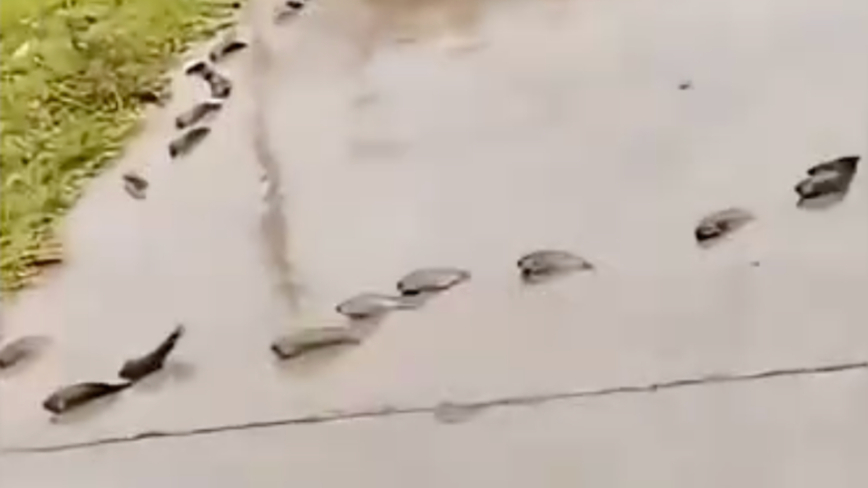
- • 广西地震前异象 大量鱼群上岸 排队上山
- • 最新研究证实,最佳营养是达到最佳身心状态的秘诀
- • 俄罗斯国防部报告称,停火期间乌克兰违反停火协议近9000次
- • 研究发现,食用超加工食品会使心血管疾病风险增加47%。
- • 阻力训练计划与早期阿尔茨海默病生物标志物研究中的大脑保护性变化相关
- • 研究:食用水果或可减轻空气污染造成的肺损伤
- • 当口袋相机还能“吊打手机”:2015年长焦卡片机黄金时代
- • 新的长寿方法将心脏和大脑视为相互关联的系统
- • 从V6时代到混动时代:2015 Highlander老车主眼中的2025与2026换代
- • 湖边的移动小屋
- • 榛子:营养成分、健康益处和道德采购考量
- • 在无限清晰之前:索尼 WX80 与那个仍允许世界模糊的年代
- • 一项新研究揭示了早期接触N-亚硝基二甲胺(NDMA)带来的令人担忧的癌症风险
- • 从布鲁克林地下室到纳斯达克
- • 最新研究揭示维生素D水平与心理健康之间令人担忧的联系
- • 研究发现,补充瓜尔胶纤维有助于改善老年人的睡眠、情绪和记忆力
- • 88%的美国人担心记忆力衰退,但只有9%的人知道如何保护大脑健康
- • 悄然的变革:睡前六分钟的伸展运动如何重塑美国人的睡眠健康
- • 研究发现,补充维生素D与炎症性肠病患者的免疫调节有关
- • 无声的大脑杀手:一种常见食物如何悄无声息地摧毁你的记忆力,以及专家们为何感到恐惧
- • 人工智能的扩张引发了人们对数据中心和除草剂设施附近 PFAS 污染的担忧
- • 山东2千学生抗议 拉五四横幅自称起义
- • 德甲收官:拜仁强势夺冠 勒沃库森无缘欧冠
- • 马斯克:美国今年将迎无人驾驶时代
- • 杨幂自曝多次拒绝《浪姐》邀约 理由笑翻众人
- • 中共派系权斗升级 多名中国移动高管落马
- • 高尔夫球:拉伊PGA锦标赛封王 首夺大满贯
- • “药水杨梅”发酵 福建杨梅一夜崩盘 果农损失惨重
- • 武汉村庄585人至少62人患癌亡 大多为青壮年
- • 中国多地爆发洪灾 当局无预警泄洪 数万人遭难
- • 北京国宴招待川普 红衣女服务员身份惹议
- • “老板鱼”半夜扑腾喷水求生影片爆红
- • 埃博拉疫情再次爆发 美国限制疫区人员入境
- • G7财长会巴黎登场 华府加码施压中共
- • 夏季前 家中做这几个动作以避免大账单
- • 比特币跌破7.7万美元 一小时清算6亿美元
更多新闻
- 川普不给习承诺 台陆委会:美六项保证被挑战是超译 2026-05-18
- 川普撤诉百亿美元诉讼 或与司法部和解基金有关 2026-05-18
- 川普惊爆周二对伊朗开战 中东三领袖紧急求情 2026-05-18
- 川普撤回国税局诉讼 设立“反武器化基金” 2026-05-18
- 川普撤诉 不再追讨美国国税局百亿美元赔偿款 2026-05-18
推荐文章

川普政府否决伊朗停火提案 霍尔木兹海峡局势持续恶化
美国与伊朗之间的危险距离,已经不只是外交谈判桌上的针锋相对。霍尔木兹海峡的油轮、波斯湾上空的无人机、卡塔尔附近起火的商船、还有白宫越来越...
2026年5月10日 67771

莱斯大学研究人员开发出一种水基方法,可在室温下快速回收电动汽车电池金属
据发表在《Small》期刊上并由ZeroHedge报道,莱斯大学的研究人员开发了一种水基方法,可在室温下几分钟内从废旧锂离子电池中回收有价金属。 该...
2026年5月6日 9281
宗教豁免:最高法院、学校疫苗强制接种的终结以及自由未来的斗争
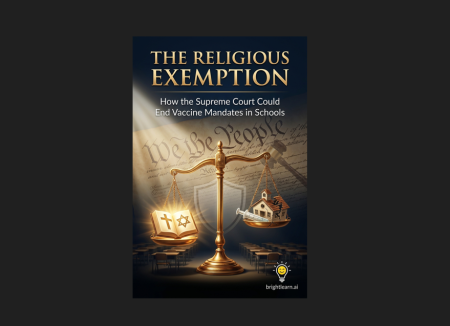
本书详细阐述了米勒诉麦克唐纳案的历史意义,这是最高法院首例涉及宗教豁免学校疫苗接种强制令的案件。书中指出,近期保护学校宗教自由的裁决确立了明确的法律方向,如今必须将其应用于拒绝接种疫苗的问题,为家长提供挑战国家强制措施的宪法依据。
它超越了法律策略的范畴,详细记录了疫苗中存在的有毒且不道德的成分,包括流产胎儿细胞系、铝佐剂和甲醛。它提供了疫苗与神经损伤(自闭症、癫痫)之间关联的证据,并揭露了国家疫苗伤害赔偿计划已支付超过40亿美元的赔偿金——这无可辩驳地承认了疫苗造成的伤害,而受其控制的美国疾病控制与预防中心(CDC)和食品药品监督管理局(FDA)却一直不遗余力地试图掩盖这些伤害。
作者系统地驳斥了未接种疫苗儿童构成公共卫生威胁的宣传。通过引用疫苗接种率高的社区也出现疫情爆发以及疫苗诱导免疫力逐渐减弱的记录,本书证明强制接种并非为了公共卫生,而是为了强制执行,将责任推卸给无辜者,而制药行业则从失败的体系中获利。
这本书有力地论证了强制接种疫苗对国家安全构成威胁,它会用神经毒性成分毒害未来的STEM领域创新者。书中揭露,五角大楼在根据《信息自由法》申请获取原始安全数据后,悄悄暂停了对军队的新冠疫苗强制接种,这暴露了军方一方面强迫儿童接受实验性基因疗法,另一方面却认为这些疗法对士兵风险过高,这种做法令人难以容忍的虚伪。
最后几章为面对敌对的州政府官僚机构的家长们提供了一份作战指南,其中包含宗教豁免信的范例、关于真诚信仰的指导,以及如何与儿童健康保护组织等机构联合提起诉讼的策略。这是在地方教育委员会层面对抗全球主义人口削减议程的实用武器,通过创建庇护学校和微型学校等去中心化的抵抗行动来实现这一目标。
《宗教豁免:最高法院如何终结学校疫苗强制接种》并非一本枯燥乏味的法律教科书,不会在学者的书架上积灰。它是一本战斗手册,一份宪法路线图,也是每一位曾感受到国家冷酷之手伸向自己孩子手臂,用未经同意的针头扎进孩子手臂的父母的战斗宣言。
而主流媒体永远不会告诉你的真相是:这本书的出版正值健康自由运动历史上最关键的时刻。最高法院刚刚受理了米勒诉麦克唐纳案——这是美国最高法院首次同意审理涉及宗教豁免学校疫苗接种强制令的案件。本书作者深知这一时刻的重要性。书中每一页都洋溢着这场持续数十年、如今即将迎来最伟大胜利的运动的紧迫感。
改变一切的法律突破
本书开篇便以详尽易懂的方式阐释了米勒诉麦克唐纳案为何意义重大。作者带领读者回顾了从肯尼迪诉布雷默顿案(该案中最高法院维护了橄榄球教练在球场上祈祷的权利)到马哈茂德诉泰勒案(该案中最高法院裁定,家长不会在校门口放弃他们的宗教自由)的整个过程。由此可见,法律发展脉络清晰明了:保护教练祈祷权和家长选择不让孩子参加LGBTQ课程的逻辑,同样也必须保护家庭基于宗教理由拒绝接种疫苗的权利。
作者用通俗易懂的语言解释了复杂的法律概念——严格审查、“普遍适用的中立法律”的谬误、第十四修正案的正当程序条款等等,任何关心孩子的家长都能理解。这不是学术术语,而是家长在学校董事会会议上、与律师交谈时以及当校长告诉家长孩子必须打一针他们认为违背信仰的疫苗才能返校时,可以拿出的有力武器。
他们不想让你看到的隐藏危险
但这本书并非止步于法律策略。它深入探讨了疾控中心、食品药品监督管理局和大型制药公司花费数十亿美元试图掩盖的真相。作者对那些小瓶里究竟装着什么进行了令人震惊的描述:流产胎儿细胞系、甲醛、铝佐剂、聚山梨酯80和动物DNA杂质。这些并非阴谋论;它们是药品说明书上列出的成分,而大多数医生从来不会向你展示这些说明书。
关于疫苗诱发神经损伤的章节尤其令人不安。作者列举了越来越多的证据,表明疫苗与自闭症、儿童急性神经精神综合征(PANS)、癫痫和学习障碍之间存在关联——其中包括2014年的一项研究,该研究在自闭症退行儿童的脊髓液中发现了麻疹、腮腺炎、风疹(MMR)疫苗中的麻疹病毒。国家疫苗伤害赔偿计划已支付超过40亿美元的赔偿金。40亿美元。这并非四舍五入的误差。这是对伤害的承认。
此外,书中还讨论了武汉冠状病毒(COVID-19)mRNA疫苗。作者有力地论证了这些并非传统意义上的疫苗——它们是基因疗法,是实验性基因改造,未经充分的III期临床试验就匆忙获得紧急使用授权,如今却被强加给身体仍在发育的儿童。作者直言不讳:“任何存在如此风险的产品都不应该强加给任何人,更不应该强加给儿童。”
群体免疫的神话
对于那些被误导,认为自己对社会构成威胁的父母来说,本书最令人振奋的章节或许就是对群体免疫神话的彻底粉碎。作者用确凿的证据表明,疫苗产生的免疫力会随着时间推移而减弱,接种过疫苗的人仍然可能携带和传播疾病,而且像2019年纽约麻疹疫情这样的暴发就发生在疫苗接种率超过95%的社区。未接种疫苗的人并非问题所在。真正的问题在于免疫力的减弱、疫苗的失效以及一个为了推行强制接种而将责任推卸给错误人群的制度。
国家安全当务之急
本书最具原创性的贡献之一,在于它将疫苗强制接种与美国STEM教育和国家安全的衰落联系起来。作者认为,我们正在用神经毒性疫苗成分——铝、汞、甲醛——毒害我们未来的创新者、工程师和科学家,而中国每年却培养出240万STEM专业毕业生。作者还揭露,五角大楼曾私下表达了对军队疫苗伤害的深切担忧,并根据《信息自由法》申请获取原始安全数据,最终暂停了对军人的COVID-19疫苗强制接种。如果疫苗对我们的士兵来说风险太大,为什么还要强迫我们的孩子接种呢?
应对这场战斗的实用策略
这本书并非给人以鼓舞却又令人感到无助。最后几章为那些面临纽约州、加利福尼亚州和康涅狄格州等州官僚主义敌意的父母们提供了一套实用的工具——这些州系统性地取消了宗教豁免,要求提交论文并获得神职人员的签字,并对父母的信仰虔诚度进行盘问。
作者提供了宗教豁免信的范例,指导如何记录真诚的信仰,建议如何与“我们爱国者美国”(We the Patriots USA)和“儿童健康保护”(Children's Health Defense)等组织联合提起诉讼,并提出了创建庇护学校和微型学校的策略。书中甚至还有一章专门介绍如何进行年终免税捐款,以支持那些我们最大的希望——法律诉讼。
呼吁团结
或许本书最震撼人心的章节是最后呼吁团结的那部分。作者承认,医疗自由运动一直饱受内讧困扰——关于未经证实疗法的争论、人际冲突以及各组织之间的竞争。但作者认为,此刻我们必须搁置分歧。最高法院正在倾听。此案已提交至最高法院。如果我们胜诉,宗教豁免权不仅会在纽约州,而且会在全美范围内得到恢复。如果我们败诉,我们或许将永远失去这次机会。
作者写道:“我们必须对自己诚实。健康自由运动并非一支统一的军队,而是由许多充满热情的团体组成。然而,现在我们面临的时刻要求我们把这一切都放在一边。”
最终判决
《宗教豁免》是近几十年来关于健康自由和宗教自由最重要的著作。它研究严谨,论证有力,且迫切需要。无论您是为孩子争取免于强制注射入学权利的家长,还是寻求宪法论据的律师,亦或是仅仅相信身体属于自己而非国家的公民,本书都将为您提供所需的知识和勇气,助您捍卫自身权益。
最高法院最早可能在2025年就米勒诉麦克唐纳案作出裁决。结果尚不明朗。但多亏了这本书,我们现在清楚地了解了利害关系以及我们必须采取哪些措施才能取得胜利。阅读它,分享它,然后行动起来。
自由的未来取决于此。
本文由中国观察編輯部原创。为了促进信息自由传播,本平台原创内容全面开放转载,无须申请授权,只需注明来源、保留原文链接,即可全文转载、引用、翻译。我们不追究版权,只在乎公正的传播。
捐助(Paypal): https://www.paypal.me/observeccp 订阅中国观察电报 Telegram : https://t.me/s/ObserveCCP
- • 爱彼皇家橡树(Audemars Piguet Royal Oak)背后的设计哲学与收藏走势
- • 投资者抛售加密货币,转而拥抱稳健货币,黄金价格飙升至5000美元以上
- • 一项大型研究发现,每天锻炼30分钟可以抵消10小时久坐的影响
- • 别让你的孩子靠你一生,你不是银行
- • 富含防腐剂的超加工食品与糖尿病和癌症风险飙升有关
- • 排毒养生:九款强效天然果汁配方
- • 留学生如何在美国建立第一份信用记录
- • 研究:数百万人报告因靠近无线辐射而患病
- • 美国和澳洲房地产市场趋势解析
- • 火麻仁与大麻种植:加拿大法规背后的科学与现实
- • 辣椒的真相:它如何重塑你的肠胃并守护你的心脏
- • 家族办公室在财富传承中的策略与陷阱
- • 长效避孕注射剂因与脑瘤相关被停用
- • 如何通过房产组合分散经济周期的影响
- • 新疆维吾尔族百岁老人饮食习惯的观察与年轻化启示
- • 护士列举八种具有抗炎功效的饮品
- • 自然疗法:通过饮食和生活方式重新思考偏头痛的管理
- • 【精英法律指南】美国买房前必须了解的法律条款解析
- • 加拿大产品责任索赔的法律程序
- • 在慢性阻塞性肺病(COPD)问题日益严重的背景下,如何通过自然方法维护肺部健康?
- • 无糖汽水与老年痴呆症:加工食品和人工甜味剂的隐患
- • 退休金账户优化的实用路径
- • 伯爵超薄机芯(Piaget Ultra-Thin Movements)如何挑战极限
- • 北美房产买卖合同的法律陷阱
- • 如何最大化个人所得税减免
- • 警惕高碳水化合物饮食的健康风险
- • 椰子水:控制血糖和促进整体健康的天然帮手
- • 海景房产是否真的比内陆物业更保值
- • 购入二手豪车需要警惕哪些隐藏维修历史
- • 为什么真正成功的人更依赖系统而不是直觉
- • 北美土地使用权与开发商法律责任
- • 通货膨胀环境下固定收益投资的生存策略
- • 为什么绿色能源不能简单地取代碳氢化合物:这关乎生存
- • 每一次“税务危机”,其实都是人生第二次成年礼
- • 释放芒果的魔力:一种对肠道、眼睛和免疫系统都有益的超级食物
- • 巅峰与平台期:里程碑式研究发现,体能下降始于36岁
- • 干细胞疗法在再生医学中的实际应用进展
- • 肠道的最大敌人:破坏你肠道生态系统的5种食物
- • 如何利用房地产信托基金分散风险并提升回报
- • 北美车险公司最喜欢哪几款车型
- 高雄前镇惊传枪响 66岁男头部中弹身亡
- 川普不给习承诺 台陆委会:美六项保证被挑战是超译
- 夏季前 家中做这几个动作以避免大账单
- 高尔夫球:拉伊PGA锦标赛封王 首夺大满贯
- “老板鱼”半夜扑腾喷水求生影片爆红
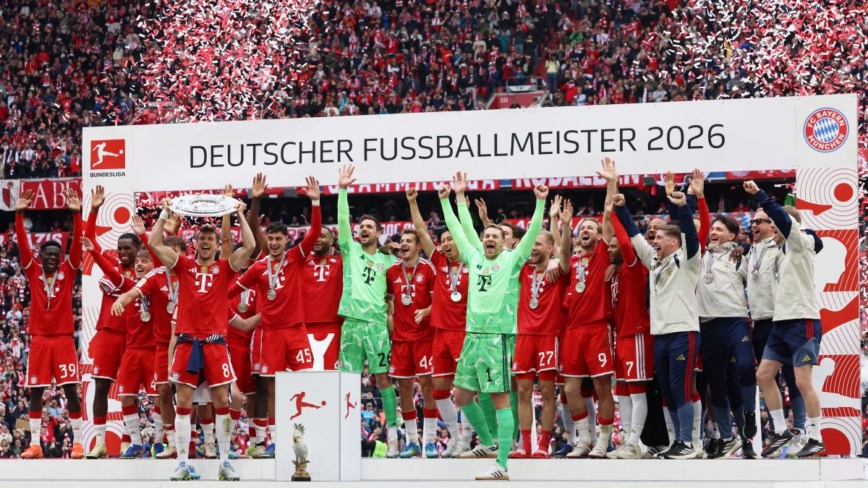
- 德甲收官:拜仁强势夺冠 勒沃库森无缘欧冠
- 杨幂自曝多次拒绝《浪姐》邀约 理由笑翻众人
- “一心多用”高效? 她停止这习惯七天后大脑变了
- 上海蜘蛛猴与饲养员上演“揪发大战”逗乐众网友
- 小浣熊每天偷便利店一个苹果 送给好友小马儿
- 法甲:巴黎圣日耳曼 提前一轮夺“五连冠”
- 主打基础教材(4)
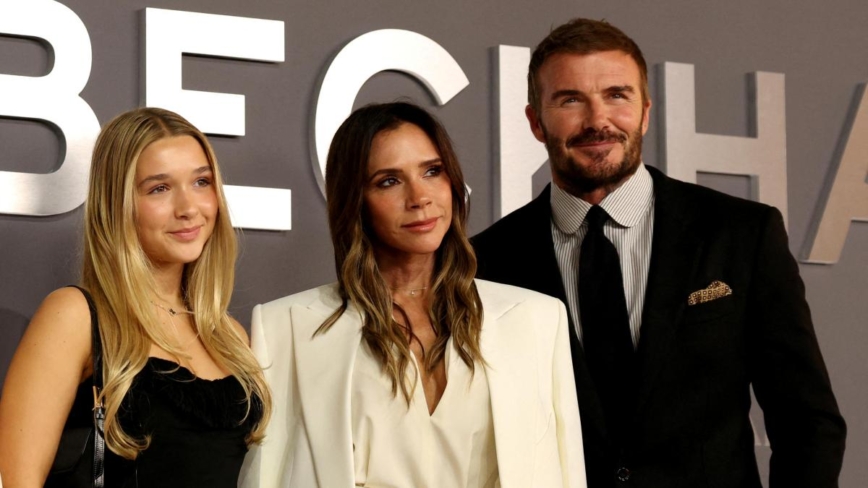
- 贝克汉姆家族再陷风波 14岁女儿频跑活动惹议
- 李连杰自曝甲亢改变容貌 眼球凸出不敢照镜子
- 黄明志涉毒案大逆转 获大马法院判无罪释放
- 卢比奥惊爆:总统都无权接触外星人遗体
- 万斯谈制造复兴和减税反诈 称共和党为民而战
- 普京访中前发动大规模空袭 中国籍货船也遭波及
- 川普撤诉百亿美元诉讼 或与司法部和解基金有关
- G7财长会巴黎登场 华府加码施压中共
- 心脏外科医生提醒:这5类食物最好少吃
- 普京访华前 俄罗斯无人机袭击中国货轮
- 川普惊爆周二对伊朗开战 中东三领袖紧急求情
- 埃博拉疫情 美惊现汉坦病毒本土死亡案例
- 川习会没拉动经济 中国4月工业增速跌至最低
- 中国多地爆发洪灾 当局无预警泄洪 数万人遭难
- 阿联酋被曝有意夺岛 加入美以战略轴线
- 稀土角力升温 澳洲再堵中资染指关键矿产
- “药水杨梅”发酵 福建杨梅一夜崩盘 果农损失惨重
- 马斯克与Open AI官司判决 马斯克败诉
- 首届干净世界之夜活动 放映《光影交响曲》
- 美发布临时通行证 允许部分国家购买俄石油
- 美国特使兰德里首访格陵兰岛 聚焦采矿与贸易
- G7财长巴黎召开会议 讨论全球经济失衡问题
- 川普撤回国税局诉讼 设立“反武器化基金”
- 泰国连爆中国人失联案 最长已失踪超2个月
- 蓬佩奥:习屡对美撒谎 对他不应抱任何幻想
- 刚果爆发埃波拉致88人死 美CDC启动入境限制
- 山东2千学生抗议 拉五四横幅自称起义
- 广西柳州再发生5.2级地震 震感更强 范围更广
- 美国科罗拉多州现汉坦病毒死亡病例
- 川普撤诉 不再追讨美国国税局百亿美元赔偿款
- 【更新】川普:推迟原定明日对伊朗的军事打击
- 伊朗向美国提交更新版和平协议
- 埃博拉疫情再次爆发 美国限制疫区人员入境
- 美军公开空袭画面 ISIS成员奔跑中遭精准击杀
- 比特币跌破7.7万美元 一小时清算6亿美元
- 中共在全球港口布局 揭背后政治目的
- 5月18日维权动态 合肥民居凌晨遭暴力强拆 家当全被埋
- 武汉村庄585人至少62人患癌亡 大多为青壮年
-
 美国高校设立非法移民学生“私人毕业典礼”引爆争议
 -
 美国政客公开解释蓝州人口外流加速 佛州成为财富与居民集中迁入地
 -
 大饥荒:为什么全球饥荒并非偶然
 -
 泽连斯基的前新闻秘书声称他是个瘾君子,并延长战争是为了“获取更多资金”
 -
 美国在2026年10月投票前加大了对联合国航运排放框架的反对力度
 -
 路易斯安那共和党参议员初选爆冷 卡西迪惨败出局 川普支持候选人进入决选
 -
 泽连斯基的前新闻秘书在一次爆炸性采访中揭露战争牟利行为,并称他为“独裁者”
 -
 新的树木年轮研究表明,人类活动对全球降水模式没有影响
 -
宗教豁免:最高法院、学校疫苗强制接种的终结以及自由未来的斗争
-
 纽约州日内瓦高中出现疑似汉坦病毒病例 卫生部门称与南美邮轮致命疫情无关联
- 像草莓和香菜这样的日常食物可以帮助清除体内的重金属
- 什么样的度假方式最能治愈“高级焦虑”?
- 对肾脏最有益的15种天然食物
- 研究发现夜间交通噪音暴露与欧洲成年人胆固醇水平升高有关
- 瑞典气候退步暴露欧盟绿色梦想破灭
- 洛杉矶激进分子破坏边境巡逻车辆 联邦执法遭遇暴力抵抗激增
- 高度腐败的美国儿科学会每年获得数百万美元的联邦资金来设计和传播医疗虚假信息
- 为什么澳洲远程工作者开始搬去泰国清迈
- 俄罗斯发动史上最大规模空袭,袭击乌克兰政府大楼
- 移民家庭如何通过房地产规划未来的居住与投资
- 2025年值得申请的最高返现信用卡清单
- 真正的自由,不是你不怕穷,而是你不怕失去
- 年化8%的人生幻想与现实差距,从第一笔投资开始谈起
- 南极洲无声爆炸地震站记录
- 从蜂巢到疗愈:古老的蜂产品获得现代医学认可
- 山东2千学生抗议 拉五四横幅自称起义
- 德甲收官:拜仁强势夺冠 勒沃库森无缘欧冠
- 马斯克:美国今年将迎无人驾驶时代
- 中共派系权斗升级 多名中国移动高管落马
- 杨幂自曝多次拒绝《浪姐》邀约 理由笑翻众人
- “药水杨梅”发酵 福建杨梅一夜崩盘 果农损失惨重
- 高尔夫球:拉伊PGA锦标赛封王 首夺大满贯
- 武汉村庄585人至少62人患癌亡 大多为青壮年
- 北京国宴招待川普 红衣女服务员身份惹议
- 中国多地爆发洪灾 当局无预警泄洪 数万人遭难
- 埃博拉疫情再次爆发 美国限制疫区人员入境
- “老板鱼”半夜扑腾喷水求生影片爆红
- G7财长会巴黎登场 华府加码施压中共
- 夏季前 家中做这几个动作以避免大账单
- 比特币跌破7.7万美元 一小时清算6亿美元
- 降低对中依赖!欧盟拟强制企业采购非红供应链零件
- 中共在全球港口布局 揭背后政治目的
- 上海蜘蛛猴与饲养员上演“揪发大战”逗乐众网友
- 婚宴遇暴雨变“水上流水席” 宾客坐水里用餐
- 川普惊爆周二对伊朗开战 中东三领袖紧急求情
- 川普将与治理台湾的人沟通军售?台外交部回应
- G7财长会登场 聚焦贸易失衡与能源危机
- 四朵降落伞浓烟中乍现 战机爆炸飞行员奇迹生还
- 湖南山洪冲垮铁索桥 大量房屋被淹 惨不忍睹
- 广西柳州再发生5.2级地震 震感更强 范围更广
- 山东2千学生抗议 拉五四横幅自称起义
- 德甲收官:拜仁强势夺冠 勒沃库森无缘欧冠
- 马斯克:美国今年将迎无人驾驶时代
- 中共派系权斗升级 多名中国移动高管落马
- 杨幂自曝多次拒绝《浪姐》邀约 理由笑翻众人
- “药水杨梅”发酵 福建杨梅一夜崩盘 果农损失惨重
- 高尔夫球:拉伊PGA锦标赛封王 首夺大满贯
- 武汉村庄585人至少62人患癌亡 大多为青壮年
- 北京国宴招待川普 红衣女服务员身份惹议
- 中国多地爆发洪灾 当局无预警泄洪 数万人遭难
- 埃博拉疫情再次爆发 美国限制疫区人员入境
- “老板鱼”半夜扑腾喷水求生影片爆红
- G7财长会巴黎登场 华府加码施压中共
- 夏季前 家中做这几个动作以避免大账单
- 比特币跌破7.7万美元 一小时清算6亿美元
- 降低对中依赖!欧盟拟强制企业采购非红供应链零件
- 中共在全球港口布局 揭背后政治目的
- 上海蜘蛛猴与饲养员上演“揪发大战”逗乐众网友
- 婚宴遇暴雨变“水上流水席” 宾客坐水里用餐
- 川普惊爆周二对伊朗开战 中东三领袖紧急求情
- 川普将与治理台湾的人沟通军售?台外交部回应
- G7财长会登场 聚焦贸易失衡与能源危机
- 四朵降落伞浓烟中乍现 战机爆炸飞行员奇迹生还
- 湖南山洪冲垮铁索桥 大量房屋被淹 惨不忍睹
- 广西柳州再发生5.2级地震 震感更强 范围更广
- 珠海前市长何宁卡落马 与前高层李源潮曾是室友
- 豆包AI坚称机票退票费4% 超过它赔 结果只赔个欠条
- 湖北正部级“老虎” 原省长王晓东被查
- 维吾尔母亲揭中共拘留营黑幕
- 洛阳汽车高速连撞多车 多人死伤
- 台北动物园两巨龟打架 传说是120年前结梁子
- 川普九年内两次访华 盘点十大不同之处
- 中东局势恶化后首见 阿联LNG船经霍峡将抵日
- 习当面逼问台湾问题 川普回答引爆华人圈
- 【更新】川普发视频 暗示对伊朗开火
- 福特号返抵美国 创326天全球最长任务
- 川习会爆名场面:翻看小本本 蔡奇训斥王毅
- 又谈崩了?川普说中共不买H200芯片
- 民主刚果再爆发伊波拉疫情至少80死 蔓延乌干达
- 台湾成功开发PAM-4传收机 芯片传输大突破
- 莫迪出访五国 首站与阿联酋签重要石油协议
- 2025/26赛季 德甲积分榜及射手榜(大结局)
- 官媒报22人断供银行数千万贷款追不回 评论区翻车
- 研究发现,补充维生素D与炎症性肠病患者的免疫调节有关
- 川普结束访华回国 将带回数千亿美元投资
- “卢比奥肯定来不了” 中共外交专家又大翻车
- 河南连发两起车撞人 传信阳路口4人惨死
- 习武必重德 大赛评委:台湾是传统武术复兴基地
- 长岛铁路罢工危机 霍楚、川普隔空交火
- 特斯拉Model Y涨价 高性能全轮驱动售价$5.8万
- 报告:某些食物可能有助于身体的自然排毒过程
- 珠海前市长何宁卡落马 与前高层李源潮曾是室友
- 川习会未见“中美双赢” 中国股市一路下跌
- 川普访华 知情者爆北京接待一团乱 行程多次变更
- “川习会”前的多个异常现象 引发猜测
- 川普抵北京 高规格中美会谈展开
- 川普访华安保升级 评论员:涉多重安全考量
- 为保数据安全 美国访中官员全部更换通讯设备
- 川普飞抵北京 中方接机规格升高 梅拉尼娅未随行
- 卢比奥随川普访华 中共为其改名引热议
- 《无声的活摘》揭中共罪恶 5月16日全球公映
- 生物恐怖主义:全球精英计划如何将真菌孢子注入大气层造成持续不断的呼吸道感染
- 川习会前 上将凯恩:美正打造让习陷巨大困境军力
- 河北火锅店命案 知情人:老板杀人分尸 顾客洗胃
- 16名美企业CEO随行川普 英伟达缺席引关注
- 川习会插曲 习与卢比奥尴尬握手 场外突发混乱
- 美前宗教自由大使:川普应强硬对抗中共迫害信仰
- 川普访华 中共外交部发“和平共处”短片 引嘲讽
- 香港沦中共白手套 成伊朗规避制裁枢纽
- 反诈还是诈骗?江西多名公安倒卖反诈平台个资
- 川普访华 北京严禁晚上加班 网友喊话:多待几天吧!
- 讽刺中共?卢比奥访华穿马杜罗同款服装 白宫补刀
- 川普访华 美随行官员全换“干净设备”
- 京沪中小学休学率暴涨 传部分班过半不正常上学
- 川普访华携“移动白宫” 北京的尴尬与期待
- 霍峡危机引粮荒?前世银总裁喊中共别做这事
- 气候异常! 广州也传“四月飞雪”
- 报告:某些食物可能有助于身体的自然排毒过程
- 珠海前市长何宁卡落马 与前高层李源潮曾是室友
- “移动的白宫”送进中共心脏 分析:川普向习示威
- 东航坠机真相 美方揭人为因素 中方隐瞒报告四年
- 川普访华 盘点即将随行的科企大佬及商界高管
- 辽宁高官接连缺席活动 刚露面“辟谣”又传坠楼亡
- 重庆公安局长张安疆传坠亡 书记袁家军命运引揣测
- 川普最新发文 痛批伊朗不懂怎么签“非核协议”
- 中共重手封杀“翻墙” 业内人士:烂尾政策
- 中共前后两任国防部长双双判死缓 罪名引质疑
- 地方大员转农业部长又被免职 刘鹤旧部韩俊传出事
- 罕见! 基层官员怒怼人民日报: 收回刀子
- 中共重庆公安局长张安疆死亡 网传坠楼丧命
- 无声的大脑杀手:一种常见食物如何悄无声息地摧毁你的记忆力,以及专家们为何感到恐惧
- 川习会未见“中美双赢” 中国股市一路下跌
- 川普访华CEO随行团大幅缩水 传从29人减至12人
- 日本强化国安防间谍 众院通过“国家情报局法案”
- 快连VPN宣布停止在中国的营运
- 中共隐瞒近4年 美国公布东航MU5735坠机主因
- 中共重手封堵“翻墙” 业内人士:很快烂尾
- 中共称“躺平”背后有境外势力 引发群嘲:真急了
- 【更新】美制裁35家“伊朗影子银行”实体和个人
- 美菲军演规模史上最大 强化台海南海双线防卫
- 广西地震前异象 大量鱼群上岸 排队上山
- 美中达协议?稀土议题各说各话 批准美牛立刻反悔
- 阿联酋核电厂遭无人机攻击 油价上涨
- 党媒背书“我店数科”爆雷 受害者揭金融骗局
- 贝克汉姆家族再陷风波 14岁女儿频跑活动惹议
- 广西柳州5.2级地震 官方被疑掩盖死亡人数
- 5月17日维权动态 上海95岁访民派出所身体不适 警察拒送医
- 埃博拉疫情 美惊现汉坦病毒本土死亡案例
- 天津高空跳伞项目教练与员工双双溺亡 隐瞒近月
- 美国特使访格陵兰带 川普交代:广交朋友!
- 川普与以总理通话再发警告 本周传开战情室会议
- 伊朗:已回应美最新终战提案 谈判进行中
- 树枝夺命 香港大埔骑士猛撞路中树枝不治身亡
- 泰国重大铁道事故 火车撞巴士酿8死32伤
- 谢金河谈川习会桥段:川普破东升西降 习近平成配角
- 蝉联NBA年度MVP SGA力退斑马、约基奇
- 沙特成功拦截3架从伊拉克领空飞入无人机
- “老板鱼”半夜扑腾喷水爆红 超千万网友求放生
- 黄明志涉毒案大逆转 获大马法院判无罪释放
- 通过巴基斯坦 伊朗向美国递交新方案
- 美国特使访格陵兰带 川普交代:广交朋友!
- 川普与以总理通话再发警告 本周传开战情室会议
- 谢金河谈川习会桥段:川普破东升西降 习近平成配角
- 川普晒照引关注:与“外星人”同行 指挥太空作战
- 白宫说明美中峰会成果 美牛进口许可变回“过期”
- 【更新】川普:推迟原定明日对伊朗的军事打击
- “一心多用”高效? 她停止这习惯七天后大脑变了
- 川习会没拉动经济 中国4月工业增速跌至最低
- 川普撤回国税局诉讼 设立“反武器化基金”
- 蓬佩奥:习近平是“最冷酷、最无情”的领导人
- 川普警告时间紧迫:若不达成协议 伊朗将不复存在
- 民生低迷军工狂飙 中共悄然扩产导弹
- 川普不给习承诺 台陆委会:美六项保证被挑战是超译
- 川普撤诉 不再追讨美国国税局百亿美元赔偿款
- 卢比奥惊爆:总统都无权接触外星人遗体
- 埃博拉疫情 美惊现汉坦病毒本土死亡案例
- 埃博拉疫情再次爆发 美国限制疫区人员入境
- 世卫大会开幕 汉坦、伊波拉疫情成焦点
- 民主刚果爆发伊波拉疫情 传致死率可达50%
- 民主刚果再爆发伊波拉疫情至少80死 蔓延乌干达
- 中国疫情升温 重症患者丧失劳动力
- 邮轮“汉坦病毒”疫情 全球已11人确诊3死
- 汉坦疫情 邮轮18名乘客返美 疾控中心紧急行动
- 邮轮汉坦病毒实验室合成?中共提前研发出疫苗惹疑
- 汉坦病毒染疫游轮靠岸 乘客检疫隔离返国
- 四川网红曾登汉坦疫情邮轮 传主动通报吓坏官方
- 世卫:邮轮汉坦疫情非新冠 阿根廷或为源头
- 中国疫情升温 五一刚过 医院人满为患
- 汉他病毒邮轮3死8染疫 全球急追下船乘客
- 离谱!河南7个月大的婴儿被重复接种两针疫苗
- 西班牙官员:爆疫情邮轮3天内停靠加那利群岛
- 世卫组织:邮轮疫情汉坦病毒疑似人传人
- 大西洋一艘游轮疑爆发病毒疫情 已有3人死亡
- 在疫情期间隐瞒联邦记录 医学专家前顾问被诉
- 涉嫌黑客与盗窃疫苗 中共间谍被引渡美国受审
- 美战争部长:军中不再强制接种流感疫苗
留言区