加拿大远程白领如何移居哥斯达黎加生活
发表时间: 2025-06-29 13:44:29 人气:920 次
有时候你怀疑:工作真的是用来供房的吗?每天 Zoom 开到下午三点,窗外还是冻雨,路边的雪堆跟你早上喝的冰拿铁一样让人丧气。你点开航拍哥斯达黎加的视频,看见大海、椰子树、慢节奏的生活,不禁想问:我这种加拿大远程白领,能不能真的移居哥斯达黎加生活?
Sometimes you start to wonder: is work just a tool to pay for heating bills? After another day of back-to-back Zooms and slush-covered sidewalks, you scroll through drone footage of Costa Rica—blue waves, palm trees, a life that doesn’t rush. And then it hits you: as a Canadian remote worker, could I really move to Costa Rica?
答案是:可以,而且没有你想得那么复杂。哥斯达黎加对远程工作者的态度就像它的阳光——热情又宽容。2021年起,哥国正式开放了数字游民签证(Digital Nomad Visa),专为你这种“人在加国,魂在热带”的族群量身打造。
The answer is yes—and it’s not as complicated as you’d think. Since 2021, Costa Rica has welcomed digital nomads with open arms and even warmer weather. The country introduced a visa specifically for remote workers like you—mentally sipping coconut water even while you’re physically stuck in a Toronto snowstorm.
你只需要证明你一年能赚三万加币以上,拥有远程工作的职位,提交几份证明材料,就能申请合法居留最多两年。你甚至可以带上你的配偶或孩子,不需要缴本地所得税,网速在海边也能撑起 Zoom,会签还能延签,不设语言门槛。比起买断一套公寓,或者投资移民的高门槛,这种方式更像是:我不逃离生活,我只是换个国家办公。
All you need is proof that you earn at least CAD 30,000 a year and that your job is fully remote. With some basic documentation, you can live in Costa Rica for up to two years, tax-free, with the option to bring your spouse or kids. Internet speed? Surprisingly decent, even near the beach. Language requirement? None. Compared to buying a property or jumping through investor-immigration hoops, this feels less like escaping life and more like moving your office to paradise.
但请别误会:哥斯达黎加的生活并不等于一张 Instagram 明信片。你会遇到停电、蚂蚁,或者在办理银行业务时要等上一整个上午。但你也会在黄昏时分遇见邻居邀请你喝咖啡,孩子在小镇广场玩球,陌生人用西语对你微笑说“Pura Vida”。这不是表演的慢生活,而是实打实的松弛与包容。
But don’t mistake Costa Rican life for an Instagram postcard. Sure, there might be power outages or ants in your kitchen, and you’ll spend an entire morning opening a bank account. But there are also twilight coffees with neighbors, kids playing fútbol in town squares, and strangers saying “Pura Vida” with genuine warmth. It’s not performative slow living—it’s a real, tangible sense of ease.
在加拿大,放慢节奏常常意味着“懒”或“不上进”;在哥斯达黎加,这叫做“理解人生的节拍”。没人逼你24小时响应邮件,也没人觉得你不买特斯拉就是失败者。你可以花一个下午思考一件事:我要把时间用在哪里,而不是钱用在哪里。
In Canada, slowing down often feels like slacking. In Costa Rica, it feels like understanding the rhythm of life. No one expects you to reply to emails within five minutes, and no one thinks you’re failing if you don’t drive a Tesla. You might spend an entire afternoon thinking not about where to spend your money, but where to spend your time.
很多人觉得“生活在热带”是等有钱、有闲之后的奖励。但实际上,它可以是一种主动的财务策略。哥斯达黎加的生活成本比加拿大便宜 30%—40%,租房、医疗、交通都更人性。你只需花更少的钱,就能获得更高的生活质量。不是你不努力,而是这个系统默认你应该累;不是你没有自由,而是你没有想到可以“申请自由”。
Many think “tropical living” is a reward for making it. But actually, it can be part of your financial strategy. Costa Rica’s cost of living is 30–40% lower than in Canada—housing, healthcare, and transport are more affordable and less stressful. It’s not that you’re lazy—it’s that the system you’re in assumes you should always be exhausted. It’s not that you lack freedom—you just never realized you could apply for it.
你当然可以继续住在多伦多市中心,排一小时队喝手冲,努力抢五分钟午休;也可以换一种方式生活——租一座带果树的小房子,用英文跟街坊讨价还价,用西语点一杯 800 colones 的冰咖啡,回家看热带风暴飘过远山云层。你的工作没变,但你的人生视角彻底变了。
Sure, you can keep renting in downtown Toronto, queue an hour for a pour-over, and fight for five minutes of sunshine on your lunch break. Or you can rent a house with mango trees, haggle in English at the local market, order an iced coffee for 800 colones, and watch tropical rainstorms roll over distant hills. Your job stays the same, but your perspective on life shifts completely.
“加拿大远程白领移居哥斯达黎加生活”不是逃避现实,而是拓展现实的可能性。你并不是在“放弃稳定”,而是在重新定义什么才叫稳定。如果你的生活可以更温暖、更自由、更有存在感,那么为什么不呢?
Canadian remote workers moving to Costa Rica isn’t escapism—it’s expanding what reality can look like. You’re not giving up stability. You’re redefining it. If life can be warmer, freer, and more present—why not?
分享 Facebook | X | Whatsapp | Linkedin
捐助(Paypal): https://www.paypal.me/observeccp 订阅中国观察电报 Telegram : https://t.me/s/ObserveCCP
责任编辑:雨轩 来源:中国观察 转载请注明作者、出处並保持完整。
- • 中共武器专家方岱宁病亡 官方诡异隐瞒2个月宣布
- • 对古巴出手了!卢比奥制裁古巴11政权菁英、3组织
- • 白发变黑 或许只要一次休假
- • “老板鱼”半夜扑腾喷水求生影片爆红
- • 原定519炸伊朗 川普:多国求暂缓 有机会达协议
- • 陆委会:台湾没有独立问题 只有被统一问题
- • 曾志伟现身大孤山祈福 自曝当官期间身体变差
- • 台湾谴责中共 连续十年阻饶参与世卫大会
- • 警长:清真寺保安舍身保护民众堪称英雄
- • 中科院前博士爆猛料:中国学术圈早已烂透!
- • 德甲收官:拜仁强势夺冠 勒沃库森无缘欧冠
- • 广西接连强震 多处惊现天坑 民众恐慌连夜逃出城
- • 中国茶还敢喝吗?茶园堆满农药瓶影片曝光
- • 高雄前镇惊传枪响 66岁男头部中弹身亡
- • 中共抵制赴日旅游 日本观光业强劲增长
- • 川普要求彻查马里兰州邮寄选票
- • 川习会难挽内需疲弱 中国4月经济放缓
- • 习近平多次欺骗美国总统 蓬佩奥揭内情
- • 卫生间最容易忽视的5个细节 但客人会注意到
- • 不止茶园 大陆芒果园也堆满农药瓶
- • 格拉斯利公开文件 指拜登司法部掌握亨特拜登相关短信却未追究人口贩运指控
- • 悄然的变革:睡前六分钟的伸展运动如何重塑美国人的睡眠健康
- • 人工智能的扩张引发了人们对数据中心和除草剂设施附近 PFAS 污染的担忧
- • 从布鲁克林地下室到纳斯达克
- • 阻力训练计划与早期阿尔茨海默病生物标志物研究中的大脑保护性变化相关
- • 研究:长期健康饮食与延缓生物衰老有关
- • 从V6时代到混动时代:2015 Highlander老车主眼中的2025与2026换代
- • 古老的藏红花有望缓解现代人的肠胃和精神疾病
- • 美国最高法院批准阿拉巴马重新审议国会选区图 自由派大法官强烈反对
- • 榛子:营养成分、健康益处和道德采购考量
- • 当口袋相机还能“吊打手机”:2015年长焦卡片机黄金时代
- • 研究:食用水果或可减轻空气污染造成的肺损伤
- • 研究表明,睡眠不规律会增加患眼病的风险
- • 亚利桑那州凤凰城之光空军记录事件
- • 生物恐怖主义:全球精英计划如何将真菌孢子注入大气层造成持续不断的呼吸道感染
- • 德甲收官:拜仁强势夺冠 勒沃库森无缘欧冠
- • 杨幂自曝多次拒绝《浪姐》邀约 理由笑翻众人
- • 高尔夫球:拉伊PGA锦标赛封王 首夺大满贯
- • “药水杨梅”发酵 福建杨梅一夜崩盘 果农损失惨重
- • 山东2千学生抗议 拉五四横幅自称起义
- • G7财长会巴黎登场 华府加码施压中共
- • “老板鱼”半夜扑腾喷水求生影片爆红
- • 埃博拉疫情再次爆发 美国限制疫区人员入境
- • 中国多地爆发洪灾 当局无预警泄洪 数万人遭难
- • 夏季前 家中做这几个动作以避免大账单
- • 上海蜘蛛猴与饲养员上演“揪发大战”逗乐众网友
- • 川普惊爆周二对伊朗开战 中东三领袖紧急求情
- • 比特币跌破7.7万美元 一小时清算6亿美元
- • 万斯谈制造复兴和减税反诈 称共和党为民而战
- • 中共在全球港口布局 揭背后政治目的
更多新闻
- 川普推迟炸伊朗 伊朗扬言开战就扩大战线 2026-05-19
- 川普要求彻查马里兰州邮寄选票 2026-05-19
- 美驻中大使在场曝:川普当习面提“对台政策不变” 2026-05-19
- 原定519炸伊朗 川普:多国求暂缓 有机会达协议 2026-05-19
- 川普:可能不得不再次重击伊朗 2026-05-19

推荐文章
大饥荒:为什么全球饥荒并非偶然
全球饥荒并非偶然……而是旨在减少人口的精心策划。 全球饥荒并非自然灾害,而是人为策划的人口削减事件。如今,在2026年春季,证据确凿无疑。蓄意...
2026年5月17日 8008

川普访华前美国全面升级对中威慑 老虎小组与毁灭性制裁引发关注
这次川普访华,气氛完全不同了。 不是过去那种铺红毯、谈合作、签订单的外交秀。 而是一场带着浓烈火药味的摊牌行动。 就在川普启程前,大批美国空军战略...
2026年5月12日 30772
宗教豁免:最高法院、学校疫苗强制接种的终结以及自由未来的斗争
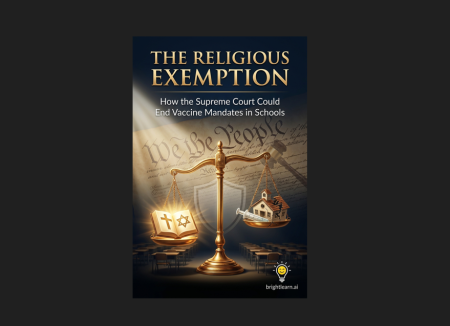
本书详细阐述了米勒诉麦克唐纳案的历史意义,这是最高法院首例涉及宗教豁免学校疫苗接种强制令的案件。书中指出,近期保护学校宗教自由的裁决确立了明确的法律方向,如今必须将其应用于拒绝接种疫苗的问题,为家长提供挑战国家强制措施的宪法依据。
它超越了法律策略的范畴,详细记录了疫苗中存在的有毒且不道德的成分,包括流产胎儿细胞系、铝佐剂和甲醛。它提供了疫苗与神经损伤(自闭症、癫痫)之间关联的证据,并揭露了国家疫苗伤害赔偿计划已支付超过40亿美元的赔偿金——这无可辩驳地承认了疫苗造成的伤害,而受其控制的美国疾病控制与预防中心(CDC)和食品药品监督管理局(FDA)却一直不遗余力地试图掩盖这些伤害。
作者系统地驳斥了未接种疫苗儿童构成公共卫生威胁的宣传。通过引用疫苗接种率高的社区也出现疫情爆发以及疫苗诱导免疫力逐渐减弱的记录,本书证明强制接种并非为了公共卫生,而是为了强制执行,将责任推卸给无辜者,而制药行业则从失败的体系中获利。
这本书有力地论证了强制接种疫苗对国家安全构成威胁,它会用神经毒性成分毒害未来的STEM领域创新者。书中揭露,五角大楼在根据《信息自由法》申请获取原始安全数据后,悄悄暂停了对军队的新冠疫苗强制接种,这暴露了军方一方面强迫儿童接受实验性基因疗法,另一方面却认为这些疗法对士兵风险过高,这种做法令人难以容忍的虚伪。
最后几章为面对敌对的州政府官僚机构的家长们提供了一份作战指南,其中包含宗教豁免信的范例、关于真诚信仰的指导,以及如何与儿童健康保护组织等机构联合提起诉讼的策略。这是在地方教育委员会层面对抗全球主义人口削减议程的实用武器,通过创建庇护学校和微型学校等去中心化的抵抗行动来实现这一目标。
《宗教豁免:最高法院如何终结学校疫苗强制接种》并非一本枯燥乏味的法律教科书,不会在学者的书架上积灰。它是一本战斗手册,一份宪法路线图,也是每一位曾感受到国家冷酷之手伸向自己孩子手臂,用未经同意的针头扎进孩子手臂的父母的战斗宣言。
而主流媒体永远不会告诉你的真相是:这本书的出版正值健康自由运动历史上最关键的时刻。最高法院刚刚受理了米勒诉麦克唐纳案——这是美国最高法院首次同意审理涉及宗教豁免学校疫苗接种强制令的案件。本书作者深知这一时刻的重要性。书中每一页都洋溢着这场持续数十年、如今即将迎来最伟大胜利的运动的紧迫感。
改变一切的法律突破
本书开篇便以详尽易懂的方式阐释了米勒诉麦克唐纳案为何意义重大。作者带领读者回顾了从肯尼迪诉布雷默顿案(该案中最高法院维护了橄榄球教练在球场上祈祷的权利)到马哈茂德诉泰勒案(该案中最高法院裁定,家长不会在校门口放弃他们的宗教自由)的整个过程。由此可见,法律发展脉络清晰明了:保护教练祈祷权和家长选择不让孩子参加LGBTQ课程的逻辑,同样也必须保护家庭基于宗教理由拒绝接种疫苗的权利。
作者用通俗易懂的语言解释了复杂的法律概念——严格审查、“普遍适用的中立法律”的谬误、第十四修正案的正当程序条款等等,任何关心孩子的家长都能理解。这不是学术术语,而是家长在学校董事会会议上、与律师交谈时以及当校长告诉家长孩子必须打一针他们认为违背信仰的疫苗才能返校时,可以拿出的有力武器。
他们不想让你看到的隐藏危险
但这本书并非止步于法律策略。它深入探讨了疾控中心、食品药品监督管理局和大型制药公司花费数十亿美元试图掩盖的真相。作者对那些小瓶里究竟装着什么进行了令人震惊的描述:流产胎儿细胞系、甲醛、铝佐剂、聚山梨酯80和动物DNA杂质。这些并非阴谋论;它们是药品说明书上列出的成分,而大多数医生从来不会向你展示这些说明书。
关于疫苗诱发神经损伤的章节尤其令人不安。作者列举了越来越多的证据,表明疫苗与自闭症、儿童急性神经精神综合征(PANS)、癫痫和学习障碍之间存在关联——其中包括2014年的一项研究,该研究在自闭症退行儿童的脊髓液中发现了麻疹、腮腺炎、风疹(MMR)疫苗中的麻疹病毒。国家疫苗伤害赔偿计划已支付超过40亿美元的赔偿金。40亿美元。这并非四舍五入的误差。这是对伤害的承认。
此外,书中还讨论了武汉冠状病毒(COVID-19)mRNA疫苗。作者有力地论证了这些并非传统意义上的疫苗——它们是基因疗法,是实验性基因改造,未经充分的III期临床试验就匆忙获得紧急使用授权,如今却被强加给身体仍在发育的儿童。作者直言不讳:“任何存在如此风险的产品都不应该强加给任何人,更不应该强加给儿童。”
群体免疫的神话
对于那些被误导,认为自己对社会构成威胁的父母来说,本书最令人振奋的章节或许就是对群体免疫神话的彻底粉碎。作者用确凿的证据表明,疫苗产生的免疫力会随着时间推移而减弱,接种过疫苗的人仍然可能携带和传播疾病,而且像2019年纽约麻疹疫情这样的暴发就发生在疫苗接种率超过95%的社区。未接种疫苗的人并非问题所在。真正的问题在于免疫力的减弱、疫苗的失效以及一个为了推行强制接种而将责任推卸给错误人群的制度。
国家安全当务之急
本书最具原创性的贡献之一,在于它将疫苗强制接种与美国STEM教育和国家安全的衰落联系起来。作者认为,我们正在用神经毒性疫苗成分——铝、汞、甲醛——毒害我们未来的创新者、工程师和科学家,而中国每年却培养出240万STEM专业毕业生。作者还揭露,五角大楼曾私下表达了对军队疫苗伤害的深切担忧,并根据《信息自由法》申请获取原始安全数据,最终暂停了对军人的COVID-19疫苗强制接种。如果疫苗对我们的士兵来说风险太大,为什么还要强迫我们的孩子接种呢?
应对这场战斗的实用策略
这本书并非给人以鼓舞却又令人感到无助。最后几章为那些面临纽约州、加利福尼亚州和康涅狄格州等州官僚主义敌意的父母们提供了一套实用的工具——这些州系统性地取消了宗教豁免,要求提交论文并获得神职人员的签字,并对父母的信仰虔诚度进行盘问。
作者提供了宗教豁免信的范例,指导如何记录真诚的信仰,建议如何与“我们爱国者美国”(We the Patriots USA)和“儿童健康保护”(Children's Health Defense)等组织联合提起诉讼,并提出了创建庇护学校和微型学校的策略。书中甚至还有一章专门介绍如何进行年终免税捐款,以支持那些我们最大的希望——法律诉讼。
呼吁团结
或许本书最震撼人心的章节是最后呼吁团结的那部分。作者承认,医疗自由运动一直饱受内讧困扰——关于未经证实疗法的争论、人际冲突以及各组织之间的竞争。但作者认为,此刻我们必须搁置分歧。最高法院正在倾听。此案已提交至最高法院。如果我们胜诉,宗教豁免权不仅会在纽约州,而且会在全美范围内得到恢复。如果我们败诉,我们或许将永远失去这次机会。
作者写道:“我们必须对自己诚实。健康自由运动并非一支统一的军队,而是由许多充满热情的团体组成。然而,现在我们面临的时刻要求我们把这一切都放在一边。”
最终判决
《宗教豁免》是近几十年来关于健康自由和宗教自由最重要的著作。它研究严谨,论证有力,且迫切需要。无论您是为孩子争取免于强制注射入学权利的家长,还是寻求宪法论据的律师,亦或是仅仅相信身体属于自己而非国家的公民,本书都将为您提供所需的知识和勇气,助您捍卫自身权益。
最高法院最早可能在2025年就米勒诉麦克唐纳案作出裁决。结果尚不明朗。但多亏了这本书,我们现在清楚地了解了利害关系以及我们必须采取哪些措施才能取得胜利。阅读它,分享它,然后行动起来。
自由的未来取决于此。
本文由中国观察編輯部原创。为了促进信息自由传播,本平台原创内容全面开放转载,无须申请授权,只需注明来源、保留原文链接,即可全文转载、引用、翻译。我们不追究版权,只在乎公正的传播。
捐助(Paypal): https://www.paypal.me/observeccp 订阅中国观察电报 Telegram : https://t.me/s/ObserveCCP



- • 无声的大脑杀手:一种常见食物如何悄无声息地摧毁你的记忆力,以及专家们为何感到恐惧
- • 富含防腐剂的超加工食品与糖尿病和癌症风险飙升有关
- • 饮食在癌症预防中发挥着重要作用:为什么传统医学忽视了它?
- • 椰子水补充水分:天然低热量运动饮料替代品
- • 美国医疗保险PPO和HMO到底怎么选
- • 家庭节省开支与投资同步法
- • 这种古老的香料在与药物抗抑郁药的直接对比试验中表现出色
- • 人参的秘密武器:稀有植物化合物如何对抗压力、增强脑力并平衡血糖
- • 美国移民身份调整的法律流程
- • 加拿大产品责任索赔的法律程序
- • 尽管一项安全研究已被撤回,美国林务局仍推动在加利福尼亚州喷洒草甘膦
- • 厨房必备品卷入诉讼:指控Ziploc保鲜袋会渗出微塑料
- • 多重货币环境下的财富保值策略
- • 味噌的治愈力量:一种受到全球主义议程威胁的传统超级食品
- • 积家翻转系列(Jaeger-LeCoultre Reverso)的双面艺术与文化象征
- • 研究警告:空气污染暴露与前列腺癌和乳腺癌风险升高有关
- • 关于维生素B12的真相:为什么你需要它以及如何安全获取它
- • 购入二手豪车需要警惕哪些隐藏维修历史
- • 锌缺乏症的隐患:为什么素食者面临风险以及如何解决
- • 现代饮食如何损害我们的骨骼
- • 宇舶Big Bang如何引领跨界材质风潮
- • 火麻仁与大麻种植:加拿大法规背后的科学与现实
- • 排毒养生:九款强效天然果汁配方
- • 加拿大银行房贷利率突然上升怎么办
- • 缓解慢性神经疼痛:4种修复线粒体的自然方法
- • 哈佛大学研究发现,超加工食品的设计目的在于像烟草一样使人上瘾
- • 一项长达十年的研究表明,每月参加文化活动可将抑郁风险降低48%
- • 一个聪明的家庭资产结构,一半靠法律一半靠人性
- • 芝柏三金桥陀飞轮(Girard-Perregaux Three Bridges Tourbillon)的艺术与技术奇迹
- • 研究人员称,离心运动:五分钟无器械锻炼即可带来健康益处
- • 加拿大银行贷款合同出现意外条款律师提示
- • 小众品牌的限量跑车上市能否撬动投资级市场
- • 草药学家推荐六种可替代褪黑素的植物性助眠剂
- • 为什么水是抵御成人痤疮的第一道防线
- • 低碳饮食:科学让你逆转衰老,重拾二十岁活力
- • 丁香水对免疫力和健康的隐藏力量
- • 补水、消化和免疫力:揭秘柠檬水的科学与传统
- • 8种强效坚果,天然降低胆固醇,促进心脏健康
- • 专家表示,季节更替会促使人们调整家居环境
- • 美国房屋承包商违约如何维权
- 曾志伟现身大孤山祈福 自曝当官期间身体变差
- 卫生间最容易忽视的5个细节 但客人会注意到
- 不止茶园 大陆芒果园也堆满农药瓶
- 贝森特促G7推动制裁 铲除伊朗资金来源
- 七国集团发布联合声明 稳定能源市场
- 世界蜜蜂日将至 三代养蜂世家传甜蜜
- 报告:逾六千澳研究项目涉中共军方合作
- 新科初段蔡明叡、吴君成 勇闯新人王赛四强
- 防中共低价钢铁冲击 欧盟拍板重税50%
- 中国居民疯狂存钱 背后浮现三大危机
- 川普推迟炸伊朗 伊朗扬言开战就扩大战线
- 加州洛杉矶爆严重山火 数万人紧急撤离
- 中科院前博士爆猛料:中国学术圈早已烂透!
- 中共宣传已进入AI系统 影响全球聊天机器人
- 陆委会:台湾没有独立问题 只有被统一问题
- 日韩领袖会谈105分钟 聚焦能源安全合作
- 马杜罗亲信萨博涉洗钱等罪 在美国首次出庭
- 欧中论坛爆激烈口角 贸易战风险升高
- 中共抵制赴日旅游 日本观光业强劲增长
- 川习会难挽内需疲弱 中国4月经济放缓
- 5月19日维权动态 高碑店烂尾楼业主市政府维权 特警戒备
- 中共武器专家去世 官方诡异隐瞒2个月
- 上海日料店惊传持刀捅人案 三伤两人为日本人
- 台湾谴责中共 连续十年阻饶参与世卫大会
- 川普要求彻查马里兰州邮寄选票
- 警长:清真寺保安舍身保护民众堪称英雄
- 美日首在台湾周边设联合指挥所 部署飞弹、无人机
- 美驻中大使在场曝:川普当习面提“对台政策不变”
- 原定519炸伊朗 川普:多国求暂缓 有机会达协议
- 沈阳工大传命案 网爆毕业8年学生回校刀杀院长
- 川普:可能不得不再次重击伊朗
- 对古巴出手了!卢比奥制裁古巴11政权菁英、3组织
- 章家敦:中共已对美国发动“超限战”
- 女孩遗体放18年无人处理 上海殡仪馆公告寻家属
- 【更新】美悬赏1500万征求伊朗革命卫队金融网络线索
- 快棋争霸战:16强出炉 女将无人晋级
- 半年4度会晤 日韩深化能源战略合作
- 中国经济持续衰退 官宣民众借贷30年来首次萎缩
- 全球长债殖利率狂飙 新兴亚币惊见金融海啸式暴贬
- 韩热播剧《21世纪大君夫人》 引发中韩历史争议
- 中国黄金进入“猴市” 一克下跌逾300元
- 中国茶还敢喝吗?茶园堆满农药瓶影片曝光
- 白发变黑 或许只要一次休假
- 武汉公职人员隐婚骗女主播170万 买假金条兑付
- 中共武器专家方岱宁病亡 官方诡异隐瞒2个月宣布
- 广西地震惊魂一幕 三兄弟斧劈铁门 救出全家11口
- 湖南网红蕾蕾突然去世 年仅32岁
- 习近平多次欺骗美国总统 蓬佩奥揭内情
- 湖北多地暴雨洪灾 已致3死4失联
- 广西接连强震 多处惊现天坑 民众恐慌连夜逃出城
-
 美国高校设立非法移民学生“私人毕业典礼”引爆争议
 -
 美国政客公开解释蓝州人口外流加速 佛州成为财富与居民集中迁入地
 -
大饥荒:为什么全球饥荒并非偶然
-
 泽连斯基的前新闻秘书声称他是个瘾君子,并延长战争是为了“获取更多资金”
 -
 美国在2026年10月投票前加大了对联合国航运排放框架的反对力度
 -
 路易斯安那共和党参议员初选爆冷 卡西迪惨败出局 川普支持候选人进入决选
 -
 泽连斯基的前新闻秘书在一次爆炸性采访中揭露战争牟利行为,并称他为“独裁者”
 -
 新的树木年轮研究表明,人类活动对全球降水模式没有影响
 -
宗教豁免:最高法院、学校疫苗强制接种的终结以及自由未来的斗争
-
 纽约州日内瓦高中出现疑似汉坦病毒病例 卫生部门称与南美邮轮致命疫情无关联

- 7 个简单环保的替代方案,打造更安全、更环保的家居环境
- 加拿大非税务居民身份认定最新法规(2025版)
- 房产出租是否真的能成为退休收入来源
- 惠州梅菜扣肉里藏着母亲不言的叮咛
- 88%的美国人担心记忆力衰退,但只有9%的人知道如何保护大脑健康
- 专家表示,季节更替会促使人们调整家居环境
- 退休后换到乡村房产可能面临的维护成本
- 美索不达米亚天文泥板异常记录
- 研究发现,食用超加工食品会使心血管疾病风险增加47%。
- 适合华人家庭定居的低税国家
- 《纽约时报》:民主党面临选民登记危机
- 与魔鬼交易:中共的经济诱饵与加拿大的自由危机
- 爱泼斯坦幸存者编制自己的“客户名单”
- 德国“仇恨言论”清剿行动升级:清晨突袭170名网民,言论自由濒临崩溃
- 古老的藏红花有望缓解现代人的肠胃和精神疾病
- 德甲收官:拜仁强势夺冠 勒沃库森无缘欧冠
- 杨幂自曝多次拒绝《浪姐》邀约 理由笑翻众人
- 高尔夫球:拉伊PGA锦标赛封王 首夺大满贯
- “药水杨梅”发酵 福建杨梅一夜崩盘 果农损失惨重
- G7财长会巴黎登场 华府加码施压中共
- “老板鱼”半夜扑腾喷水求生影片爆红
- 中国多地爆发洪灾 当局无预警泄洪 数万人遭难
- 夏季前 家中做这几个动作以避免大账单
- 上海蜘蛛猴与饲养员上演“揪发大战”逗乐众网友
- 川普惊爆周二对伊朗开战 中东三领袖紧急求情
- 万斯谈制造复兴和减税反诈 称共和党为民而战
- 心脏外科医生提醒:这5类食物最好少吃
- G7财长巴黎召开会议 讨论全球经济失衡问题
- 川普撤诉百亿美元诉讼 或与司法部和解基金有关
- 普京访中前发动大规模空袭 中国籍货船也遭波及
- 稀土角力升温 澳洲再堵中资染指关键矿产
- 蓬佩奥:习屡对美撒谎 对他不应抱任何幻想
- 马斯克与Open AI官司判决 马斯克败诉
- 阿联酋被曝有意夺岛 加入美以战略轴线
- 美国特使兰德里首访格陵兰岛 聚焦采矿与贸易
- 卢比奥惊爆:总统都无权接触外星人遗体
- 法甲:巴黎圣日耳曼 提前一轮夺“五连冠”
- 川普撤回国税局诉讼 设立“反武器化基金”
- 小浣熊每天偷便利店一个苹果 送给好友小马儿
- 主打基础教材(4)
- 德甲收官:拜仁强势夺冠 勒沃库森无缘欧冠
- 杨幂自曝多次拒绝《浪姐》邀约 理由笑翻众人
- 高尔夫球:拉伊PGA锦标赛封王 首夺大满贯
- 山东2千学生抗议 拉五四横幅自称起义
- “药水杨梅”发酵 福建杨梅一夜崩盘 果农损失惨重
- 马斯克:美国今年将迎无人驾驶时代
- G7财长会巴黎登场 华府加码施压中共
- 武汉村庄585人至少62人患癌亡 大多为青壮年
- 中共派系权斗升级 多名中国移动高管落马
- 埃博拉疫情再次爆发 美国限制疫区人员入境
- “老板鱼”半夜扑腾喷水求生影片爆红
- 中国多地爆发洪灾 当局无预警泄洪 数万人遭难
- 夏季前 家中做这几个动作以避免大账单
- 北京国宴招待川普 红衣女服务员身份惹议
- 上海蜘蛛猴与饲养员上演“揪发大战”逗乐众网友
- 川普惊爆周二对伊朗开战 中东三领袖紧急求情
- 比特币跌破7.7万美元 一小时清算6亿美元
- 婚宴遇暴雨变“水上流水席” 宾客坐水里用餐
- 中共在全球港口布局 揭背后政治目的
- 万斯谈制造复兴和减税反诈 称共和党为民而战
- 心脏外科医生提醒:这5类食物最好少吃
- 降低对中依赖!欧盟拟强制企业采购非红供应链零件
- G7财长巴黎召开会议 讨论全球经济失衡问题
- 川普将与治理台湾的人沟通军售?台外交部回应
- G7财长会登场 聚焦贸易失衡与能源危机
- 湖北正部级“老虎” 原省长王晓东被查
- 【更新】川普发视频 暗示对伊朗开火
- 福特号返抵美国 创326天全球最长任务
- 2025/26赛季 德甲积分榜及射手榜(大结局)
- 香港世纪大火灾 其根源何在?
- 研究发现,补充维生素D与炎症性肠病患者的免疫调节有关
- 研究:超加工食品与心脏病风险增加有关
- 以色列追剿主谋 歼灭哈马斯“幽灵指挥官”
- 特斯拉Model Y涨价 高性能全轮驱动售价$5.8万
- 长岛铁路罢工危机 霍楚、川普隔空交火
- 台湾迈入超高龄社会 高龄就业今年3月破50万人大关
- 5万人为“团结王国”上街 抗议英政府无作为
- 民主刚果爆发伊波拉疫情 传致死率可达50%
- 传因学习压力大 陆中学生连砸二百多辆车
- 离谱!广西南宁开发商为卖房伪造假地铁站牌
- 台湾南投埔里地震规模5.1 深度仅15.5公里
- 河南连发两起撞人案 多人死伤
- 一周经济回顾:大国博弈 胜负难料
- 凶嫌驾车冲撞致8伤 意国当局未排除恐袭性质
- 研究发现,补充瓜尔胶纤维有助于改善老年人的睡眠、情绪和记忆力
- 青少年网络危机升温 全球社群平台面临管制浪潮
- 涉嫌跨国恐怖攻击 伊朗真主旅高层遭美拘捕
- 肠漏症可能是癌症、帕金森病和阿尔茨海默病的潜在诱因
- 通膨高企 Costco续约率高达9成 销售额飙升
- 青花瓷美展进驻屏基 师生笔触疗愈医病心灵
- 报告:某些食物可能有助于身体的自然排毒过程
- 珠海前市长何宁卡落马 与前高层李源潮曾是室友
- 川习会未见“中美双赢” 中国股市一路下跌
- 川普访华 知情者爆北京接待一团乱 行程多次变更
- “川习会”前的多个异常现象 引发猜测
- 川普抵北京 高规格中美会谈展开
- 川普访华安保升级 评论员:涉多重安全考量
- 为保数据安全 美国访中官员全部更换通讯设备
- 川普飞抵北京 中方接机规格升高 梅拉尼娅未随行
- 卢比奥随川普访华 中共为其改名引热议
- 生物恐怖主义:全球精英计划如何将真菌孢子注入大气层造成持续不断的呼吸道感染
- 《无声的活摘》揭中共罪恶 5月16日全球公映
- 川习会前 上将凯恩:美正打造让习陷巨大困境军力
- 河北火锅店命案 知情人:老板杀人分尸 顾客洗胃
- 16名美企业CEO随行川普 英伟达缺席引关注
- 川习会插曲 习与卢比奥尴尬握手 场外突发混乱
- 美前宗教自由大使:川普应强硬对抗中共迫害信仰
- 川普访华 中共外交部发“和平共处”短片 引嘲讽
- 香港沦中共白手套 成伊朗规避制裁枢纽
- 反诈还是诈骗?江西多名公安倒卖反诈平台个资
- 川普访华 北京严禁晚上加班 网友喊话:多待几天吧!
- 川普访华 美随行官员全换“干净设备”
- 讽刺中共?卢比奥访华穿马杜罗同款服装 白宫补刀
- 京沪中小学休学率暴涨 传部分班过半不正常上学
- 川普访华携“移动白宫” 北京的尴尬与期待
- 霍峡危机引粮荒?前世银总裁喊中共别做这事
- 气候异常! 广州也传“四月飞雪”
- 报告:某些食物可能有助于身体的自然排毒过程
- 珠海前市长何宁卡落马 与前高层李源潮曾是室友
- “移动的白宫”送进中共心脏 分析:川普向习示威
- 东航坠机真相 美方揭人为因素 中方隐瞒报告四年
- 川普访华 盘点即将随行的科企大佬及商界高管
- 辽宁高官接连缺席活动 刚露面“辟谣”又传坠楼亡
- 重庆公安局长张安疆传坠亡 书记袁家军命运引揣测
- 川普最新发文 痛批伊朗不懂怎么签“非核协议”
- 中共重手封杀“翻墙” 业内人士:烂尾政策
- 川习会未见“中美双赢” 中国股市一路下跌
- 中共前后两任国防部长双双判死缓 罪名引质疑
- 地方大员转农业部长又被免职 刘鹤旧部韩俊传出事
- 罕见! 基层官员怒怼人民日报: 收回刀子
- 中共重庆公安局长张安疆死亡 网传坠楼丧命
- 无声的大脑杀手:一种常见食物如何悄无声息地摧毁你的记忆力,以及专家们为何感到恐惧
- 川普访华CEO随行团大幅缩水 传从29人减至12人
- 日本强化国安防间谍 众院通过“国家情报局法案”
- 快连VPN宣布停止在中国的营运
- 中共隐瞒近4年 美国公布东航MU5735坠机主因
- 中共重手封堵“翻墙” 业内人士:很快烂尾
- 中共称“躺平”背后有境外势力 引发群嘲:真急了
- 美菲军演规模史上最大 强化台海南海双线防卫
- 【更新】美制裁35家“伊朗影子银行”实体和个人
- 卫生间最容易忽视的5个细节 但客人会注意到
- 中科院前博士爆猛料:中国学术圈早已烂透!
- 曾志伟现身大孤山祈福 自曝当官期间身体变差
- 沈阳工大传命案 网爆毕业8年学生回校刀杀院长
- 【更新】美悬赏1500万征求伊朗革命卫队金融网络线索
- 不止茶园 大陆芒果园也堆满农药瓶
- 世界蜜蜂日将至 三代养蜂世家传甜蜜
- 加州洛杉矶爆严重山火 数万人紧急撤离
- 日韩领袖会谈105分钟 聚焦能源安全合作
- 5月19日维权动态 高碑店烂尾楼业主市政府维权 特警戒备
- 白发变黑 或许只要一次休假
- 中共武器专家方岱宁病亡 官方诡异隐瞒2个月宣布
- 美驻中大使在场曝:川普当习面提“对台政策不变”
- 女孩遗体放18年无人处理 上海殡仪馆公告寻家属
- 七国集团发布联合声明 稳定能源市场
- 中国居民疯狂存钱 背后浮现三大危机
- 川普推迟炸伊朗 伊朗扬言开战就扩大战线
- 陆委会:台湾没有独立问题 只有被统一问题
- 马杜罗亲信萨博涉洗钱等罪 在美国首次出庭
- 武汉公职人员隐婚骗女主播170万 买假金条兑付
- 埃博拉疫情 美惊现汉坦病毒本土死亡案例
- 埃博拉疫情再次爆发 美国限制疫区人员入境
- 世卫大会开幕 汉坦、伊波拉疫情成焦点
- 民主刚果爆发伊波拉疫情 传致死率可达50%
- 民主刚果再爆发伊波拉疫情至少80死 蔓延乌干达
- 中国疫情升温 重症患者丧失劳动力
- 邮轮“汉坦病毒”疫情 全球已11人确诊3死
- 汉坦疫情 邮轮18名乘客返美 疾控中心紧急行动
- 邮轮汉坦病毒实验室合成?中共提前研发出疫苗惹疑
- 汉坦病毒染疫游轮靠岸 乘客检疫隔离返国
- 四川网红曾登汉坦疫情邮轮 传主动通报吓坏官方
- 世卫:邮轮汉坦疫情非新冠 阿根廷或为源头
- 中国疫情升温 五一刚过 医院人满为患
- 汉他病毒邮轮3死8染疫 全球急追下船乘客
- 离谱!河南7个月大的婴儿被重复接种两针疫苗
- 西班牙官员:爆疫情邮轮3天内停靠加那利群岛
- 世卫组织:邮轮疫情汉坦病毒疑似人传人
- 大西洋一艘游轮疑爆发病毒疫情 已有3人死亡
- 在疫情期间隐瞒联邦记录 医学专家前顾问被诉
- 涉嫌黑客与盗窃疫苗 中共间谍被引渡美国受审
- 美战争部长:军中不再强制接种流感疫苗
- 超跑试驾体验揭示顶级发动机性能的真实差距
- 汽车保险保费上涨的主要原因分析
- 汽车保险保费上涨的主要原因分析
- 全球汽车零部件供应链紧张对价格的影响
- 新车零首付贷款隐藏的风险值得警惕
- 豪华品牌最新轿车发布如何影响高端消费趋势
- 电动车保养成本是否真的比燃油车更低
- 川普不是总统的时候开什么车?写给车迷的一篇大作
- 电动豪车的静音与加速表现是否能媲美传统V8发动机
- 小众品牌的限量跑车上市能否撬动投资级市场
- 日本与欧洲车企的新款混合动力车型竞争升级
- 北美车展上最值得关注的概念车如何定义未来出行
- 正规4S店与独立维修厂在保养服务上的差别
- 北美汽车贷款利率上升如何影响购车成本
- 豪华SUV对比评测展现家庭与商务两种价值取向
留言区