AI与创意行业的冲突与合作
发表时间: 2025-06-29 13:12:06 人气:913 次
几年前,当一位程序员用AI生成了一首像莫扎特一样的钢琴曲时,台下的掌声短暂而复杂。有人惊叹科技的奇迹,也有人暗暗心寒:如果连灵魂的表达都可以用算法模拟,我们这些靠灵感吃饭的人,还能剩下多少“不可取代”?这,就是AI与创意行业最本质的冲突。
A few years ago, when a programmer used AI to compose a piano piece that sounded like Mozart, the applause was short and conflicted. Some marveled at the technological feat. Others felt a chill—if even the soul’s expression can be modeled by algorithms, what room is left for those of us who live off inspiration? This is the core tension between AI and the creative industry.
AI擅长复制、变形、合成,甚至模仿。它像一个永远不疲倦的学徒,可以阅读上百万篇文章、分析无数种风格、合成千万张图像,然后在短短几秒内“创作”出一个新作品。可这到底算创作,还是混合?它写出的小说可以是结构严谨的,但很少有“灵魂”;它生成的画作可以色彩饱满,却很难令人流泪。
AI is great at replicating, transforming, synthesizing—even mimicking. It's like a tireless apprentice who reads millions of texts, studies countless styles, and processes billions of images—then "creates" something new in seconds. But is that really creation—or just remixing? The novels it writes may be structurally sound but often lack soul. The images it generates can be vibrant but rarely move people to tears.
问题的根源在于:人类的创作,往往不是为了功能,而是为了表达。而表达这件事,天然带有不确定性、情绪张力、和对“缺陷之美”的包容。AI可以完美模仿,但它不会真正经历挣扎;它可以总结情绪,但它从不真正悲伤。它生成的艺术作品像是照镜子,却永远无法从镜子里走出来。
The root of the problem is this: human creativity is rarely about function—it’s about expression. And expression is naturally messy, emotionally charged, and full of imperfect beauty. AI can mimic perfectly, but it never struggles. It can summarize emotions, but it never truly feels them. Its art is like a mirror reflection—accurate, but never alive.
可这并不意味着AI只能是敌人。越来越多的创意人开始意识到:AI不是来抢你饭碗的,它是来帮你洗碗的。它能帮你做初稿、写大纲、整理灵感、测试色调组合,让你把更多时间花在真正独特的表达上。它就像你工作室里的助手,不睡觉、不请假,也不会争功。
But that doesn’t mean AI has to be the enemy. More creatives are realizing that AI isn’t here to steal your job—it’s here to clean your brushes. It can help with first drafts, generate outlines, sort ideas, and test color palettes, freeing you to focus on what makes your expression unique. It’s like the perfect studio assistant—one that doesn’t sleep, doesn’t complain, and doesn’t want credit.
最聪明的创作者,不会害怕AI,而是善于利用它——知道它不能替你决定“说什么”,但可以帮你更快“怎么说”;知道它无法感受爱、痛苦、怀旧,但可以成为你语言和视觉实验的游乐场。你不需要担心它夺走你的个性,因为它没有个性,它只是放大了你自己。
The smartest creatives aren’t afraid of AI—they know how to use it. They understand it won’t decide what to say, but it can help them say it better and faster. They know AI doesn’t feel love, pain, or nostalgia—but it can be the playground where those feelings are shaped into form. You don’t need to worry about AI stealing your personality—it has none. It only amplifies what you already are.
有时候,AI甚至成了我们重新审视创作本质的镜子。我们开始反思:什么是真正打动人的?为什么有些作品让人沉思良久,而有些只是表面炫目?为什么我们宁愿听一首录音质量一般的老民谣,也不想点开AI唱的完美翻唱?答案或许藏在那一点点破绽里,那些只有人类才会留下的痕迹——犹豫、瑕疵、冲动、爱。
Sometimes, AI becomes the mirror through which we re-examine what creativity really means. We begin to ask: What truly moves us? Why do some works linger in our minds, while others dazzle briefly but fade fast? Why do we prefer a scratchy recording of an old folk song to a flawless AI cover? Maybe the answer lies in the imperfections—the human traces of hesitation, impulse, flaws, and love.
AI与创意行业的未来,并不是一场零和游戏,而是一场角色重组的合作剧。它会替我们省去重复劳动,让灵感腾出空间;它会加快试验效率,让情绪表达有更多可能。最终决定权,仍然在你手中。是让AI成为你的替身演员,还是你的灯光师?这是每个创作者都要思考的问题。
The future of AI and the creative industry isn’t a zero-sum game. It’s a cast reshuffle. AI will take over the boring stuff so inspiration has more room. It’ll speed up iterations so emotions can run free. But the final decision is still yours. Will you make AI your stunt double—or your lighting designer? That’s a choice every creator has to make.
结语 Conclusion
AI与创意行业的冲突与合作,最终不在于“机器会不会超越人类”,而在于“人类是否愿意重新定义创作”。工具不会写诗,但诗人会用锤子造桥。只要创意还源自人心,AI永远只是助手,而不是主角。
The tension and harmony between AI and the creative world isn’t about whether machines will surpass us. It’s about whether we’re ready to redefine what it means to create. Tools don’t write poetry—but poets build bridges with hammers. As long as creativity starts from the human heart, AI will always be the assistant, not the star.
分享 Facebook | X | Whatsapp | Linkedin
捐助(Paypal): https://www.paypal.me/observeccp 订阅中国观察电报 Telegram : https://t.me/s/ObserveCCP
责任编辑:雨轩 来源:中国观察 转载请注明作者、出处並保持完整。
- • 日本富山古刹夜晚陷火海 燃烧近9小时 正殿疑全毁
- • 【更新】川普发视频 暗示对伊朗开火
- • 北市密室逃脱店 员工扮鬼受困过世 2业者交保
- • 官媒报22人断供银行数千万贷款追不回 评论区翻车
- • 全球最大尺寸CoWoS良率达98% 台积电ADR创高
- • 台湾成功开发PAM-4传收机 芯片传输大突破
- • 德州医疗诈欺和解 设首间“逆转跨性别”照护诊所
- • 川普奥巴马访华待遇反差 台作家揭中共逻辑
- • 东九龙总区女警佩枪上膛走火 子弹射出幸无人伤
- • “卢比奥肯定来不了” 中共外交专家又大翻车
- • 川习会后 赖清德列5点回应台湾问题
- • 纽约长岛铁路大罢工 数十万民众受影响
- • 高薪入职先整容 大陆60余女孩被骗数百万贷款
- • 所罗门群岛新总理上台 牵动中澳地缘政治
- • 马斯克幼子穿中式马甲赴国宴 意外走红
- • 黄仁勋随川普访华 被问这问题一句回击
- • 离谱!广西南宁开发商为卖房伪造假地铁站牌
- • 马尔地夫潜水惊传1死4失踪 军方参与搜救也酿1死
- • 川习会后未释出经贸协议 三大指数跌破4300
- • 以色列和黎巴嫩同意延长停火45天
- • 【更新】川普:5分钟可拿下卡尔格岛
- • 广西一车辆深夜坠河 已1死9失踪
- • 涉嫌跨国恐怖攻击 伊朗真主旅高层遭美拘捕
- • FBI再抓两位恐怖分子 其中一人计划攻击美国
- • 青花瓷美展进驻屏基 师生笔触疗愈医病心灵
- • 川习小范围会晤 美国总统座驾直抵中南海
- • 川普结束访华回国 将带回数千亿美元投资
- • 违规炒股 侄子作白手套 河南证监局女官被双开
- • 湖北正部级“老虎” 原省长王晓东被查
- • 长岛铁路罢工危机 霍楚、川普隔空交火
- • 研究:食用水果或可减轻空气污染造成的肺损伤
- • 生物恐怖主义:全球精英计划如何将真菌孢子注入大气层造成持续不断的呼吸道感染
- • 最新研究揭示维生素D水平与心理健康之间令人担忧的联系
- • 悄然的变革:睡前六分钟的伸展运动如何重塑美国人的睡眠健康
- • 研究发现男性高钠摄入量与记忆力下降之间存在相关性
- • 报告:某些食物可能有助于身体的自然排毒过程
- • 肠漏症可能是癌症、帕金森病和阿尔茨海默病的潜在诱因
- • 古老的藏红花有望缓解现代人的肠胃和精神疾病
- • 从布鲁克林地下室到纳斯达克
- • 无声的大脑杀手:一种常见食物如何悄无声息地摧毁你的记忆力,以及专家们为何感到恐惧
- • 新的长寿方法将心脏和大脑视为相互关联的系统
- • 研究:长期健康饮食与延缓生物衰老有关
- • 从V6时代到混动时代:2015 Highlander老车主眼中的2025与2026换代
- • 阻力训练计划与早期阿尔茨海默病生物标志物研究中的大脑保护性变化相关
- • 研究发现,食用超加工食品会使心血管疾病风险增加47%。
- • 研究:超加工食品与心脏病风险增加有关
- • 研究表明:饮用咖啡与肠道菌群变化、压力和抑郁症状减轻有关
- • 营养学家称,日常食物可能有助于肠道健康
- • 88%的美国人担心记忆力衰退,但只有9%的人知道如何保护大脑健康
- • 结构真相:每天服用胶原蛋白真的能从内部重建你的身体吗?
- • 豆包AI坚称机票退票费4% 超过它赔 结果只赔个欠条
- • 维吾尔母亲揭中共拘留营黑幕
- • 洛阳汽车高速连撞多车 多人死伤
- • 中东局势恶化后首见 阿联LNG船经霍峡将抵日
- • 川普九年内两次访华 盘点十大不同之处
- • 【更新】川普发视频 暗示对伊朗开火
- • 台北动物园两巨龟打架 传说是120年前结梁子
- • 台湾成功开发PAM-4传收机 芯片传输大突破
- • 民主刚果再爆发伊波拉疫情至少80死 蔓延乌干达
- • 又谈崩了?川普说中共不买H200芯片
- • 2025/26赛季 德甲积分榜及射手榜(大结局)
- • 珠海前市长何宁卡落马 与前高层李源潮曾是室友
- • 川习会爆名场面:翻看小本本 蔡奇训斥王毅
- • 河南连发两起车撞人 传信阳路口4人惨死
- • 香港世纪大火灾 其根源何在?
更多新闻
- 暗示对伊打击?川普发推:暴风雨前的平静 2026-05-17
- 长岛铁路罢工危机 霍楚、川普隔空交火 2026-05-16
- 【更新】川普发视频 暗示对伊朗开火 2026-05-16
- 川普承诺任内中共不犯台 台立委示警中共意 2026-05-16
- 川普翻看习小本本?完整影片流出 真相大逆转 2026-05-16
推荐文章
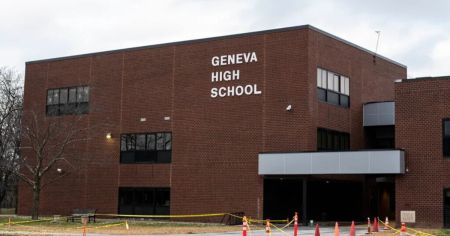
纽约州日内瓦高中出现疑似汉坦病毒病例 卫生部门称与南美邮轮致命疫情无关联
一艘从阿根廷出发的豪华邮轮,在南美冰冷海域航行时突然爆发罕见汉坦病毒疫情。三名乘客死亡,十八名美国乘客被紧急隔离,美国媒体迅速将其渲染成可能重演“新冠2.0...
2026年5月16日 3595
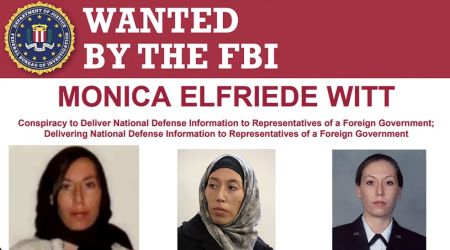
联邦调查局提高悬赏金额 前美军反情报专家莫妮卡·维特被控向伊朗泄露国家机密
一个接受美国最高级别安全训练、掌握绝密情报、熟悉反间谍体系的美国空军专家,最终却站到了伊朗一边。 更让华盛顿震惊的是,十多年过去了,她至今仍然...
2026年5月16日 3433
最新文件显示拜登时期联邦调查局长期保留川普案件证据 众议院共和党要求终止政治追诉
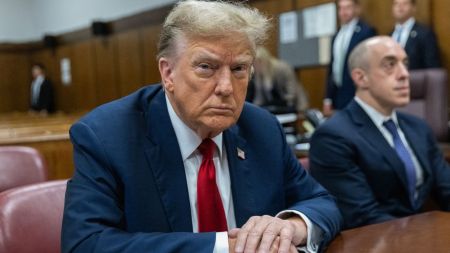
美国政坛又爆出一份足以震动华盛顿的内部文件。最新公开的联邦调查局备忘录显示,针对川普的“北极霜冻”调查并没有因为川普重返白宫而结束,相反,一批拜登时期留下的调查人员,竟然在川普第二任期开启后,秘密安排将所谓“证据”保存到2030年。换句话说,他们正在等待川普再次离任的那一天,然后重新启动刑事追诉。
这已经不是普通的司法争议,而是一场横跨十年的政治战争。共和党议员如今公开警告,美国司法系统内部存在一股力量,正在把联邦机构变成永久性政治武器。
根据“真实新闻”获得的联邦调查局内部文件,这份代号为“北极霜冻”的调查,核心内容涉及2020年总统大选争议。特别检察官杰克·史密斯此前曾试图以“推翻选举结果”等罪名起诉川普,但由于美国司法部长期存在“现任总统不得被刑事起诉”的法律指导意见,案件最终被法官暂时驳回。
关键问题在于,这个案件并不是彻底终结,而是“无偏见驳回”。这意味着,未来仍然可以重新起诉。
如今曝光的新文件显示,联邦调查局并未按惯例归档或移交相关证据,而是特别下达了“证据保留命令”,要求继续由联邦调查局保管这些材料,一直保存到2030年2月。时间点非常敏感,因为那正是川普第二任期结束之后。届时,他将再次失去现任总统身份保护。
这份文件日期为2025年2月5日,也就是川普第二任期开启后的几周。当时联邦调查局内部仍有大量拜登时期留下的官员与调查人员。文件标题为“北极霜冻 选举法事务 敏感调查事项”,附件包括“副特别检察官批准”以及“证据保留许可”。
更引发争议的是,这份结案文件并没有中性归档,而是再次重复了此前针对川普的大量“刑事行为”指控。也就是说,调查虽然表面结束,但内部系统实际上始终维持着“未来重启”的准备状态。
联邦调查局局长卡什·帕特尔公开回应称,美国人民有权知道,这种针对政治对手和总统的权力武器化究竟是如何发生的。他表示,相关调查小组已经被关闭,但追责不会停止。
众议院司法委员会主席吉姆·乔丹则直言,这一切早该结束。他指出,整场风波已经持续超过十年,从“通俄门”开始,到后来的各种调查,背后都绕不开当年希拉里阵营资助的“斯蒂尔档案”。
而前特别检察官杰克·史密斯此前却在国会作证时声称,自己反而担心会被川普政府追责,并坚持认为川普应对2021年1月6日事件负责。
真正值得关注的,并不是某一份文件,而是美国政治结构正在发生的变化。
过去,美国两党斗争再激烈,也默认存在一条底线,那就是政权可以轮替,但国家机器不能成为永久清算工具。因为一旦司法系统被用来追杀政治对手,美国就不再是传统意义上的宪政共和国,而会逐渐演变成“谁掌权谁清算”的拉美式政治结构。
现在的问题是,这条底线已经被打穿。
从“通俄门”、国会骚乱调查,到特别检察官体系,再到如今曝光的长期保留证据计划,整个逻辑已经越来越清晰。部分联邦机构内部,并不接受川普代表的政治路线重新回归。他们真正的目标,并不是打赢一场官司,而是利用无休止调查、媒体舆论、刑事威胁和程序消耗,让川普阵营始终处于“被追捕状态”。
这也是为什么,哪怕案件已经被驳回,相关证据依然要被保存到2030年。因为在这些人眼中,川普不是一个普通总统,而是必须长期压制的政治对象。
更深层的问题在于,美国左派政治体系过去十几年已经与联邦官僚机构、情报系统、大型媒体平台以及部分司法体系形成深度捆绑。这套结构在拜登时期达到高峰。它的运作方式,不再只是靠选票,而是通过行政机构长期控制社会叙事、调查权力与信息流动。
川普真正触碰到的,并不是某个单独政客的利益,而是整个华盛顿既得利益网络。
因此,美国保守派如今越来越强调“深层政府”问题,并不是凭空出现的阴谋论,而是因为越来越多文件显示,一部分官僚系统正在脱离传统政治中立原则,开始主动介入政治斗争。
而这一切最危险的地方,在于它会形成先例。今天可以针对川普,未来就可以针对任何不符合主流路线的人。司法系统一旦失去公信力,社会最终只会走向彻底撕裂。
美国当前真正的冲突,已经不只是民主党和共和党的选举竞争,而是两种国家路线的正面碰撞。一方希望恢复传统国家边界、制造业、能源独立以及宪法原教旨框架;另一方则更倾向全球化治理、行政机构扩权以及意识形态优先。双方的冲突已经进入制度层面,而不再只是政策争论。
现在最值得思考的问题来了。
如果联邦调查局真的可以把一个案件保存十年,只等总统离任后再次起诉,那么未来美国总统是否还会真正拥有独立执政空间?
如果国家机器开始长期锁定某个政治阵营,美国还能否维持原来的制度平衡?
更关键的是,美国民众是否还能相信司法系统依旧中立?
本文由中国观察編輯部原创。为了促进信息自由传播,本平台原创内容全面开放转载,无须申请授权,只需注明来源、保留原文链接,即可全文转载、引用、翻译。我们不追究版权,只在乎公正的传播。
捐助(Paypal): https://www.paypal.me/observeccp 订阅中国观察电报 Telegram : https://t.me/s/ObserveCCP

- • 为什么肠道健康比你想象的更重要
- • 加拿大房屋买卖合同里藏着的惊喜条款
- • 让你的早晨咖啡活力倍增:3 种经科学验证的健脑妙招
- • 肌酸的隐秘疗愈功效:这种增肌补充剂如何平息肠道炎症风暴
- • 高收入人群如何合法降低税负的五种路径
- • 购买海外房产前必须考虑的长期回报与法律细节
- • 你的健康正遭受攻击:你必须立即采取行动的六十年有机真相
- • 为什么即使是适度饮酒者也需要戒酒一段时间才能更健康
- • 分析特斯拉股价未来一年的走势
- • 豪华SUV对比评测展现家庭与商务两种价值取向
- • 在屏幕主导的世界中,五种营养素可以改善你的视力
- • 美国和澳洲房地产市场趋势解析
- • 小众品牌的限量跑车上市能否撬动投资级市场
- • 不起眼的鸡蛋:对抗体重反弹的天然、经济实惠的盟友
- • 美国顶级富豪家族的税务筹划策略
- • 警惕高碳水化合物饮食的健康风险
- • 口腔隐藏的秘密:口腔微生物群可能预测你的寿命
- • 从一杯咖啡到治愈良方:咖啡有一天能否开启先进的癌症治疗?
- • 如何在房产交易中找到隐藏的价值并避免高昂的风险
- • 超越免疫系统:揭开维生素C的多方面功效
- • 自然界的能量宝库:8种最健康的浆果及其显著益处
- • 美国儿童教育信托基金法律实践
- • 北美二手车市场价格在疫情后的波动趋势
- • 一颗感恩的心如何提升身心健康
- • 汽车保险保费上涨的主要原因分析
- • 购买工业地产的优势与需要规避的陷阱
- • 美国购房产权调查:你不知道的风险
- • 隐形的威胁:二恶英如何污染食品、化妆品和日常生活
- • 对肝脏排毒饮食疗法功效的分析:科学审查和专家观点
- • 研究探讨皮肤的天然日晒适应机制
- • 国际转账手续费最低的几种平台对比
- • 美国绿卡申请被搁置的惊人内幕
- • 北美房产买卖合同的法律陷阱
- • 系统评价显示,白藜芦醇与血糖控制改善相关
- • 豪华品牌最新轿车发布如何影响高端消费趋势
- • 研究表明,久坐会增加患痴呆症的风险,而体育锻炼和睡眠则具有保护作用
- • 肌肤的秘密时钟:肤色如何揭示内在衰老
- • 万国葡萄牙系列(IWC Portugieser)如何成为绅士必备时计
- • 辣椒素摄入的影响已有文献记载;与补充剂相比,膳食来源的影响有限
- • 全球房地产投资的周期性规律
- 通膨高企 Costco续约率高达9成 销售额飙升
- 从废弃落叶到艺术品 槟榔叶鞘创作展惊艳登场
- 暗示对伊打击?川普发推:暴风雨前的平静
- 创越战后最长纪录 全球最大航母福特号返抵维州
- 赖清德:捍卫中华民国 没有“台独”问题
- 乌报复俄袭击 出动一年来最多数量无人机
- 违规炒股 侄子作白手套 河南证监局女官被双开
- 川习会后 赖清德列5点回应台湾问题
- 【更新】伊朗袭击阿联酋核电厂
- 中国多地暴雨成灾 学校、民居、商铺被淹
- 美军海豹六队有多强?前成员揭密作战标准
- 湖北正部级“老虎” 原省长王晓东被查
- 马斯克幼子穿中式马甲赴国宴 意外走红
- 美国发现4种外星人?专家惊揭“坠毁UFO”回收内幕
- 福特号返抵美国 创326天全球最长任务
- 三星停工一天恐损失6亿美元 韩试图阻罢工
- 日本栃木强盗杀人1死2伤 4嫌皆16岁 主嫌企图逃亡
- 郭富城陪妻子回老家奔丧 戴红孝帽跪拜
- 马尔地夫潜水惊传1死4失踪 军方参与搜救也酿1死
- 欧洲歌唱大赛 保加利亚歌手戏剧性夺冠
- 京东上海总部大楼“歪”了 紧急停工引关注
- 日本富山古刹夜晚陷火海 燃烧近9小时 正殿疑全毁
- 广西一车辆深夜坠河 已1死9失踪
- 防堵车走水路 浙江爸爸开船送女儿上学
- 拉脱维亚政坛洗牌 总统提名反对党出任新总理
- 泰国曼谷货运列车撞上巴士 致8死32人伤
- 湖边的移动小屋
- 当口袋相机还能“吊打手机”:2015年长焦卡片机黄金时代
- 肠漏症可能是癌症、帕金森病和阿尔茨海默病的潜在诱因
- 研究:超加工食品与心脏病风险增加有关
- 台湾南投埔里地震规模5.1 深度仅15.5公里
- 特斯拉Model Y涨价 高性能全轮驱动售价$5.8万
- 一周经济回顾:大国博弈 胜负难料
- 涉嫌跨国恐怖攻击 伊朗真主旅高层遭美拘捕
- 5万人为“团结王国”上街 抗议英政府无作为
- 民主刚果爆发伊波拉疫情 传致死率可达50%
- 研究发现,补充瓜尔胶纤维有助于改善老年人的睡眠、情绪和记忆力
- 研究发现,补充维生素D与炎症性肠病患者的免疫调节有关
- 以色列追剿主谋 歼灭哈马斯“幽灵指挥官”
- 长岛铁路罢工危机 霍楚、川普隔空交火
- 凶嫌驾车冲撞致8伤 意国当局未排除恐袭性质
- 香港世纪大火灾 其根源何在?
- 美东下周迎高温 体感温度逼近100华氏度
- 青花瓷美展进驻屏基 师生笔触疗愈医病心灵
- 青少年网络危机升温 全球社群平台面临管制浪潮
- 传因学习压力大 陆中学生连砸二百多辆车
- 废金属的奇幻转身 赖铭传铁雕艺术玩转童心
- Netflix被德州指控不当搜集数据和成瘾设计
- 离谱!广西南宁开发商为卖房伪造假地铁站牌
- 河南连发两起撞人案 多人死伤
-
 美国高校设立非法移民学生“私人毕业典礼”引爆争议
 -
 美国政客公开解释蓝州人口外流加速 佛州成为财富与居民集中迁入地
 -
 大饥荒:为什么全球饥荒并非偶然
 -
 泽连斯基的前新闻秘书声称他是个瘾君子,并延长战争是为了“获取更多资金”
 -
 美国在2026年10月投票前加大了对联合国航运排放框架的反对力度
 -
 路易斯安那共和党参议员初选爆冷 卡西迪惨败出局 川普支持候选人进入决选
 -
 泽连斯基的前新闻秘书在一次爆炸性采访中揭露战争牟利行为,并称他为“独裁者”
 -
 新的树木年轮研究表明,人类活动对全球降水模式没有影响
 -
 宗教豁免:最高法院、学校疫苗强制接种的终结以及自由未来的斗争
 -
纽约州日内瓦高中出现疑似汉坦病毒病例 卫生部门称与南美邮轮致命疫情无关联

- 人生的重心,不在多,而在稳
- 成都龙抄手的皮薄心暖,是胡同口的拥抱
- 加拿大银行账户被冻结律师建议如何解锁
- 美国S公司与C公司选择背后的真实税务成本
- 德国“汉堡UFO军方档案解密事件”
- 医疗成本上升对退休规划的影响
- 在算法洪流中守住真实:中国新一代对朴素价值的追寻
- 北美二手车市场价格在疫情后的波动趋势
- 研究发现,市面上标榜为环保的纸吸管和竹吸管含有永久性化学物质
- 泽连斯基再索1750亿美元军援,海牙峰会与川普交锋下的欧美分裂危机
- 堕胎药邮寄激增,美国2024年堕胎总量突破百万:左派“盾牌法”催生无监管医疗乱象
- 职业转型中的税务和福利陷阱,如何最大化利益
- 家族办公室不是炫富,而是高净值家庭的自保战略
- 卡地亚山度士(Cartier Santos)如何定义现代方形腕表
- 你足够努力,命运自然会善待你
- 湖北正部级“老虎” 原省长王晓东被查
- 通膨高企 Costco续约率高达9成 销售额飙升
- 防堵车走水路 浙江爸爸开船送女儿上学
- 福特号返抵美国 创326天全球最长任务
- 【更新】伊朗袭击阿联酋核电厂
- 三星停工一天恐损失6亿美元 韩试图阻罢工
- 当口袋相机还能“吊打手机”:2015年长焦卡片机黄金时代
- 泰国曼谷货运列车撞上巴士 致8死32人伤
- 美军海豹六队有多强?前成员揭密作战标准
- 马尔地夫潜水惊传1死4失踪 军方参与搜救也酿1死
- 京东上海总部大楼“歪”了 紧急停工引关注
- 川习会后 赖清德列5点回应台湾问题
- 美国发现4种外星人?专家惊揭“坠毁UFO”回收内幕
- 日本栃木强盗杀人1死2伤 4嫌皆16岁 主嫌企图逃亡
- 创越战后最长纪录 全球最大航母福特号返抵维州
- 郭富城陪妻子回老家奔丧 戴红孝帽跪拜
- 从废弃落叶到艺术品 槟榔叶鞘创作展惊艳登场
- 赖清德:捍卫中华民国 没有“台独”问题
- 广西一车辆深夜坠河 已1死9失踪
- 违规炒股 侄子作白手套 河南证监局女官被双开
- 暗示对伊打击?川普发推:暴风雨前的平静
- 日本富山古刹夜晚陷火海 燃烧近9小时 正殿疑全毁
- 拉脱维亚政坛洗牌 总统提名反对党出任新总理
- 马斯克幼子穿中式马甲赴国宴 意外走红
- 湖边的移动小屋
- 豆包AI坚称机票退票费4% 超过它赔 结果只赔个欠条
- 维吾尔母亲揭中共拘留营黑幕
- 洛阳汽车高速连撞多车 多人死伤
- 中东局势恶化后首见 阿联LNG船经霍峡将抵日
- 川普九年内两次访华 盘点十大不同之处
- 台北动物园两巨龟打架 传说是120年前结梁子
- 【更新】川普发视频 暗示对伊朗开火
- 台湾成功开发PAM-4传收机 芯片传输大突破
- 民主刚果再爆发伊波拉疫情至少80死 蔓延乌干达
- 又谈崩了?川普说中共不买H200芯片
- 珠海前市长何宁卡落马 与前高层李源潮曾是室友
- 2025/26赛季 德甲积分榜及射手榜(大结局)
- 川习会爆名场面:翻看小本本 蔡奇训斥王毅
- 川普结束访华回国 将带回数千亿美元投资
- 河南连发两起车撞人 传信阳路口4人惨死
- 研究发现,补充维生素D与炎症性肠病患者的免疫调节有关
- 官媒报22人断供银行数千万贷款追不回 评论区翻车
- 莫迪出访五国 首站与阿联酋签重要石油协议
- 香港世纪大火灾 其根源何在?
- 江苏无锡中毒窒息事故 致3人死亡
- 习当面逼问台湾问题 川普回答引爆华人圈
- 习武必重德 大赛评委:台湾是传统武术复兴基地
- 长岛铁路罢工危机 霍楚、川普隔空交火
- 湖北正部级“老虎” 原省长王晓东被查
- 凶嫌驾车冲撞致8伤 意国当局未排除恐袭性质
- 川普结束访华 返美前丢掉所有中国物品
- 川普落座比习矮? 沙发被质疑“做过手脚”
- 豆包AI坚称机票退票费4% 超过它赔 结果只赔个欠条
- 维吾尔母亲揭中共拘留营黑幕
- 川普结束访华 登上“空军一号”离开北京
- 洛阳汽车高速连撞多车 多人死伤
- 马斯克带娃出席国宴 把广西虎头包带火了
- 川习小范围会晤 美国总统座驾直抵中南海
- 川习会现十大异常 分析:透露出大问题
- 中东局势恶化后首见 阿联LNG船经霍峡将抵日
- 川普九年内两次访华 盘点十大不同之处
- 习当面问“美军保不保台?” 川普:无可奉告
- 【更新】美国1500万美元悬赏 目标:六名伊朗人
- 在无限清晰之前:索尼 WX80 与那个仍允许世界模糊的年代
- 卢比奥回应为何与马杜罗撞衫
- 高薪入职先整容 大陆60余女孩被骗数百万贷款
- 川习会成果不乐观 专家:中共有太多“前科”
- 台北动物园两巨龟打架 传说是120年前结梁子
- 【更新】川普发视频 暗示对伊朗开火
- 台湾成功开发PAM-4传收机 芯片传输大突破
- 练舞奇才!萌娃凌空劈一字马
- 目击熊出没 日本福岛小学生上学途中紧急避难
- 在野领袖当选索罗门新总理 曾批与中共协议
- 民主刚果再爆发伊波拉疫情至少80死 蔓延乌干达
- 中国人口骤降冲击教育 多地学校现关停潮
- 霍峡危机引粮荒?前世银总裁喊中共别做这事
- 川普访华 盘点即将随行的科企大佬及商界高管
- 报告:某些食物可能有助于身体的自然排毒过程
- 川普访华掀北京飞机迷狂热 等待抢拍“空军一号”
- 川普访华前夕 北京四季酒店设安检 天坛暂停开放
- Shein Temu争夺欧洲市场撕破脸 互控侵权垄断
- 川普抵北京 高规格中美会谈展开
- 川普访华 知情者爆北京接待一团乱 行程多次变更
- “川习会”前的多个异常现象 引发猜测
- Shein和Temu互控 在英国首度对簿公堂
- 马斯克将随川普访中 17位重量级执行长同行
- 黄仁勋未随川普访中 引关注
- 不让黄仁勋随行?握AI禁令“王牌”川普访中前夕下马威
- 为保数据安全 美国访中官员全部更换通讯设备
- 川普飞抵北京 中方接机规格升高 梅拉尼娅未随行
- 生物恐怖主义:全球精英计划如何将真菌孢子注入大气层造成持续不断的呼吸道感染
- 河南商丘一农贸市场突发大火 浓烟滚滚伤亡不明
- 卢比奥随川普访华 中共为其改名引热议
- 阿卡迪亚市长王艾琳 承认充当中共代理人辞职
- 川普访华安保升级 评论员:涉多重安全考量
- 川普访华住哪?两家旅馆关闭预定 一家停满警车
- “移动的白宫”送进中共心脏 分析:川普向习示威
- 川普访华前 国会委员会关注中共侵犯人权
- 《无声的活摘》揭中共罪恶 5月16日全球公映
- 格拉斯利公开文件 指拜登司法部掌握亨特拜登相关短信却未追究人口贩运指控
- 霍峡危机引粮荒?前世银总裁喊中共别做这事
- 气候异常! 广州也传“四月飞雪”
- 东航坠机真相 美方揭人为因素 中方隐瞒报告四年
- 川普最新发文 痛批伊朗不懂怎么签“非核协议”
- 重庆公安局长张安疆传坠亡 书记袁家军命运引揣测
- 辽宁高官接连缺席活动 刚露面“辟谣”又传坠楼亡
- 川普访华 盘点即将随行的科企大佬及商界高管
- 中共重手封杀“翻墙” 业内人士:烂尾政策
- 中共前后两任国防部长双双判死缓 罪名引质疑
- 地方大员转农业部长又被免职 刘鹤旧部韩俊传出事
- 罕见! 基层官员怒怼人民日报: 收回刀子
- 中共重庆公安局长张安疆死亡 网传坠楼丧命
- 无声的大脑杀手:一种常见食物如何悄无声息地摧毁你的记忆力,以及专家们为何感到恐惧
- 川普访华CEO随行团大幅缩水 传从29人减至12人
- 日本强化国安防间谍 众院通过“国家情报局法案”
- 快连VPN宣布停止在中国的营运
- 中共隐瞒近4年 美国公布东航MU5735坠机主因
- 中共重手封堵“翻墙” 业内人士:很快烂尾
- 中共称“躺平”背后有境外势力 引发群嘲:真急了
- 【更新】美制裁35家“伊朗影子银行”实体和个人
- 澳洲斥200亿澳元购11艘日本军舰 威慑中共
- 美菲军演规模史上最大 强化台海南海双线防卫
- 报告:某些食物可能有助于身体的自然排毒过程
- 中国青壮年猝死频发 45岁湖北官员毛新宇倒地死亡
- 中共下令禁遵美制裁 格里尔: 川习会必谈
- 欧洲歌唱大赛 保加利亚歌手戏剧性夺冠
- 湖边的移动小屋
- 乌报复俄袭击 出动一年来最多数量无人机
- 中国多地暴雨成灾 学校、民居、商铺被淹
- 马斯克幼子穿中式马甲赴国宴 意外走红
- 拉脱维亚政坛洗牌 总统提名反对党出任新总理
- 暗示对伊打击?川普发推:暴风雨前的平静
- 日本富山古刹夜晚陷火海 燃烧近9小时 正殿疑全毁
- 违规炒股 侄子作白手套 河南证监局女官被双开
- 赖清德:捍卫中华民国 没有“台独”问题
- 广西一车辆深夜坠河 已1死9失踪
- 从废弃落叶到艺术品 槟榔叶鞘创作展惊艳登场
- 新人王赛:牛诗特、杨子萱等名将挺进八强
- 创越战后最长纪录 全球最大航母福特号返抵维州
- 郭富城陪妻子回老家奔丧 戴红孝帽跪拜
- 川习会后 赖清德列5点回应台湾问题
- 美国发现4种外星人?专家惊揭“坠毁UFO”回收内幕
- 日本栃木强盗杀人1死2伤 4嫌皆16岁 主嫌企图逃亡
- 美参议员提法案 拟撤销恐怖分子家属签证
- FBI再抓两位恐怖分子 其中一人计划攻击美国
- 民主刚果爆发伊波拉疫情 传致死率可达50%
- 民主刚果再爆发伊波拉疫情至少80死 蔓延乌干达
- 中国疫情升温 重症患者丧失劳动力
- 邮轮“汉坦病毒”疫情 全球已11人确诊3死
- 汉坦疫情 邮轮18名乘客返美 疾控中心紧急行动
- 邮轮汉坦病毒实验室合成?中共提前研发出疫苗惹疑
- 汉坦病毒染疫游轮靠岸 乘客检疫隔离返国
- 四川网红曾登汉坦疫情邮轮 传主动通报吓坏官方
- 世卫:邮轮汉坦疫情非新冠 阿根廷或为源头
- 中国疫情升温 五一刚过 医院人满为患
- 汉他病毒邮轮3死8染疫 全球急追下船乘客
- 离谱!河南7个月大的婴儿被重复接种两针疫苗
- 西班牙官员:爆疫情邮轮3天内停靠加那利群岛
- 世卫组织:邮轮疫情汉坦病毒疑似人传人
- 大西洋一艘游轮疑爆发病毒疫情 已有3人死亡
- 在疫情期间隐瞒联邦记录 医学专家前顾问被诉
- 涉嫌黑客与盗窃疫苗 中共间谍被引渡美国受审
- 美战争部长:军中不再强制接种流感疫苗
- 新车零首付贷款隐藏的风险值得警惕
- 特斯拉自动驾驶汽车屡屡在铁路道口失灵
- 年轻消费者最关注的新车配置在今年有何变化
- 北美车险公司最喜欢哪几款车型
- 如何让你的车多开五年
- 买丰田混动真的是最稳的选择吗?
- 电动车保养成本是否真的比燃油车更低
- 从V6时代到混动时代:2015 Highlander老车主眼中的2025与2026换代
- 汽车租赁与贷款的长期支出差异需要如何计算
- 全球汽车零部件供应链紧张对价格的影响
- 驾驭新鲜感的全尺寸SUV
- 豪华SUV对比评测展现家庭与商务两种价值取向
- 全球汽车市场热议全新电动车上市能否改变格局
- 豪华品牌最新轿车发布如何影响高端消费趋势
- 正规4S店与独立维修厂在保养服务上的差别
留言区